

The Core Tradeoff
Smart bulbs and smart switches solve the same basic problem — remote and scheduled control of your lights — but they sit at different points in the circuit, and that difference drives most of the practical pros and cons.
A smart bulb replaces the light source itself. It screws into an existing socket, needs no wiring work, and can be installed by anyone in a couple of minutes. A smart switch replaces the wall control instead, leaving the bulb itself untouched, but installing one means working inside an electrical box.
When Smart Bulbs Make More Sense
- You're renting. A smart bulb goes with you when you move; a smart switch installation generally shouldn't be done in a rental without landlord approval, since it involves permanent wiring changes.
- The fixture is a lamp or portable light. Lamps plug into an outlet, not a wired switch, so a smart bulb (or a smart plug) is the only sensible option.
- You want full color or highly tunable white light. Color-changing and finely tunable smart bulbs are more common and more affordable than color-changing fixtures controlled by a switch.
- You don't want to touch house wiring. No tools, no breaker panel, no risk — just unscrew the old bulb and screw in the new one.
When Smart Switches Make More Sense
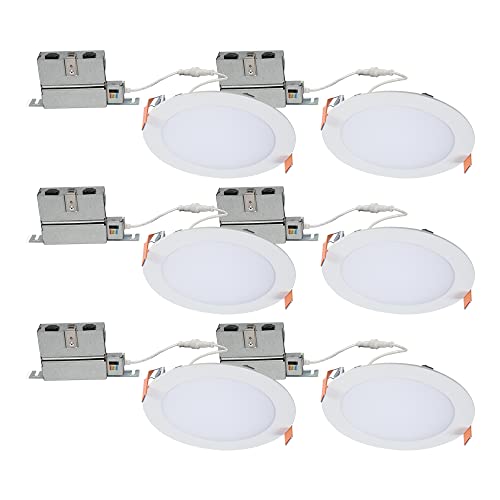
- The fixture already has bulbs you don't want to replace, or uses hard-to-reach or specialty bulbs (recessed cans, enclosed fixtures, chandeliers with many small bulbs).
- People in the household will keep using the physical switch. A smart switch keeps that switch fully functional while adding remote and scheduled control on top — nobody has to change their habits.
- You want one control point for multiple bulbs. A single smart switch can manage an entire fixture with several bulbs, instead of pairing each bulb individually in an app.
- You're already comfortable with home electrical work, or plan to hire an electrician. Most smart dimmers require a neutral wire in the switch box, common in homes built since the early 1990s, though a handful of switches are designed to work without one.
The Safety Line Between the Two
Smart bulbs involve zero electrical work — installing one is no different from installing a normal bulb. Smart switches are a different category entirely: they connect to your home's line-voltage wiring. Always shut off power at the breaker before removing a switch plate, verify the circuit is dead with a non-contact voltage tester, and if you're unsure about wire identification, your switch box lacks a neutral wire, or local code requires a permit, hire a licensed electrician. This caution applies doubly to switches feeding ceiling fixtures, three-way circuits, or ceiling fans.
Bottom Line
Many homes end up using both: smart bulbs in lamps and fixtures people rarely turn off at the wall, and smart switches on the fixtures a switch is used for every day. There isn't a single better option — match the tool to the fixture and to your comfort level with electrical work.


