Dimmers & Switches: Complete Guide
Comprehensive technical analysis of sizing, materials, installation requirements, and manufacturer standards for dimmers & switches.

Recommended Products
See the full ranking →

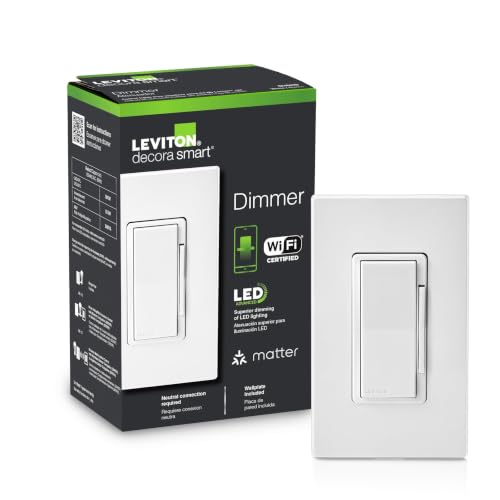
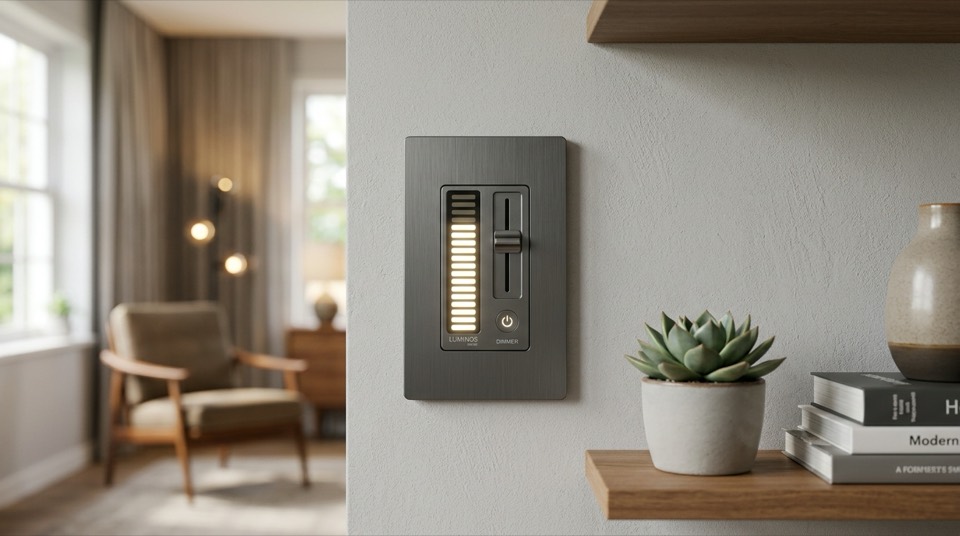
A dimmer switch replaces a standard on/off wall switch and lets you adjust light output instead of just switching it on or off. Most modern dimmers rapidly switch the current on and off many times per second, cutting off part of each electrical cycle so less energy reaches the bulb. Your eye sees this as dimmer light rather than flicker, because the switching happens too fast to perceive directly.
Beyond mood lighting, dimmers can reduce energy use at lower settings, extend bulb life for incandescent and halogen lamps, and let one fixture serve double duty - bright for tasks, low for evenings.
Single-pole vs. three-way/four-way. A single-pole dimmer controls a light from one location. A three-way dimmer works with a second (non-dimming) three-way switch to control the same light from two locations, such as both ends of a hallway or stairway. Four-way setups add a third control point. Not every dimmer supports three-way wiring, so check the packaging before buying.
Rotary, slide, toggle, and paddle styles. These describe how you interact with the dimmer, not how it wires - pick based on the look you want and how it matches the rest of your switches.
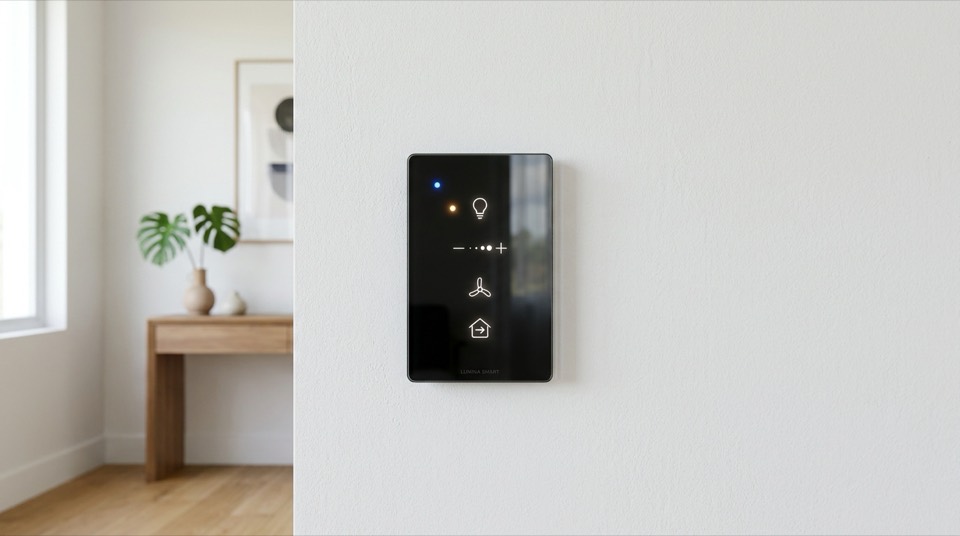
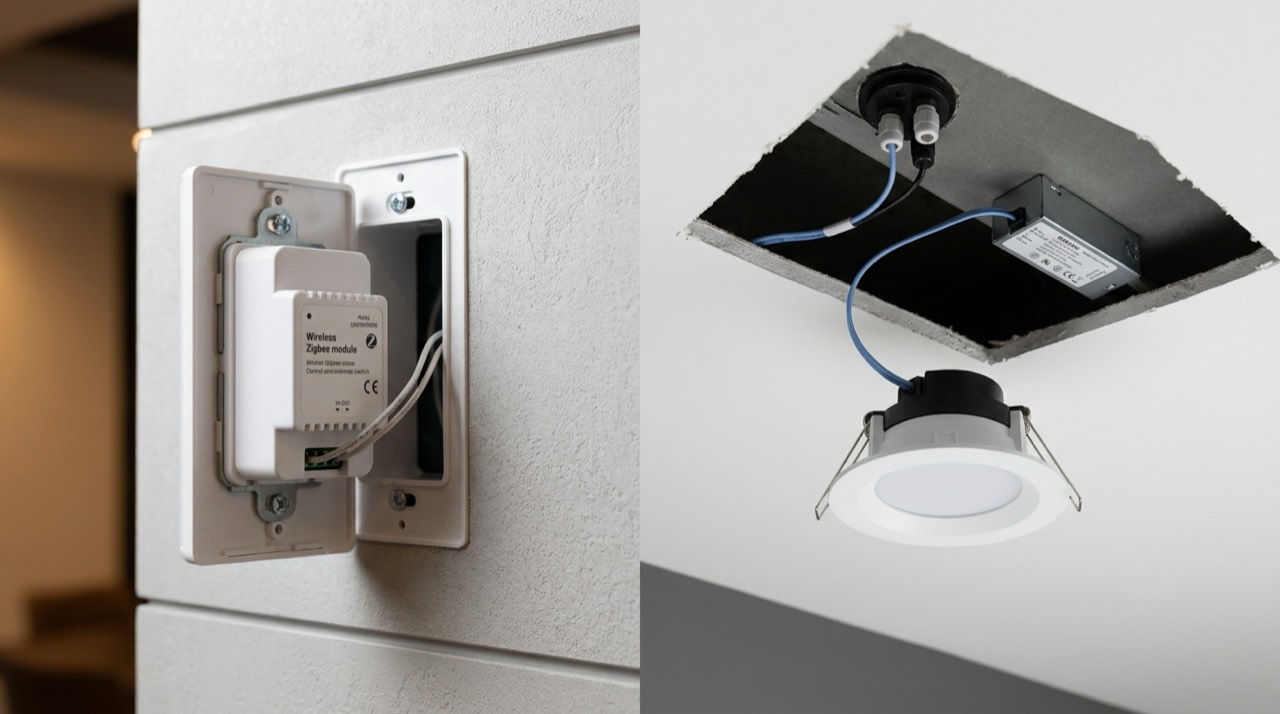
Smart dimmers. Wi-Fi or hub-based dimmers add app control, schedules, voice-assistant integration (Amazon Alexa, Google Assistant, Apple Home), and lighting scenes. Some require a neutral wire in the switch box; others do not, which matters a lot in older homes.
Basic electronic dimmers. Simple LED- or incandescent-rated dimmers use a rheostat-style dial or slide without any app or connectivity - a cheaper, simpler upgrade when you just want smoother dimming.
This is the step most DIYers skip, and it is the most common source of complaints. Not every dimmer works with every bulb.
- Incandescent and halogen bulbs work with almost any dimmer, including older rotary models, because they are simple resistive loads.
- LED and CFL bulbs need a dimmer specifically rated for low-wattage electronic loads. A standard incandescent dimmer built around a 40-100W minimum load will often flicker, buzz, or fail to dim smoothly with a 6-10W LED bulb, because there is not enough load for the old dimmer's circuitry to read correctly.
- Manufacturers publish LED compatibility lists for their dimmers. Before buying, check that your bulb brand and model - or at least the wattage and dimmable rating - appears on the dimmer's tested compatibility list.
- Bulbs must be labeled dimmable on the packaging. A non-dimmable LED will flicker or hum on any dimmer, no matter how good the switch is.
Every dimmer carries a rated maximum wattage (commonly around 150W for LED-rated models, or 600W for incandescent-only models) and often a minimum wattage too. Add up the total wattage of every bulb on that circuit - not just the fixture count - and stay comfortably under the dimmer's maximum, with headroom for LED driver inefficiencies.
Most single-pole dimmers install in place of a standard switch using the same basic wiring: two switch-leg wires plus a ground. Smart dimmers frequently need an additional neutral wire to power their internal electronics and Wi-Fi radio; homes built before the mid-1980s often lack a neutral wire in the switch box, which is why no-neutral smart dimmer models exist as a workaround.
Installing a dimmer means working inside a wall-mounted electrical box with live household wiring.
- Always turn off power at the breaker - not just the wall switch - before removing a switch plate or touching any wires, and confirm the circuit is dead with a non-contact voltage tester.
- If your panel is not labeled, is not accessible, or you are not fully confident identifying the wires, hire a licensed electrician. This matters even more in older homes with unusual wiring, aluminum wiring, or missing ground or neutral conductors.
- Local electrical code and permit requirements vary by city and state. A straightforward, like-for-like switch swap typically does not require a permit, but any new wiring, added circuits, or work you are unsure about should go through a licensed electrician who can confirm what your local code requires.
- The U.S. Department of Energy and Underwriters Laboratories both point to using only UL-listed devices and keeping a fixture's total wattage within the dimmer's rating as basic ways to avoid overheating.
Most dimmer problems trace back to one of three things: an incompatible dimmer-and-bulb pairing, a load that is over or under the dimmer's rating, or a loose wire connection. Buzzing, flickering, or a dimmer that only works at full brightness is almost always a compatibility or wiring issue rather than a defective bulb. See our dedicated guides on LED flicker and LED-specific dimmers for the full troubleshooting path before assuming a product is faulty.
For most homeowners upgrading to LED lighting, a purpose-built LED dimmer - smart or not - from a major electrical brand solves nearly every compatibility complaint out of the box. If you already run smart-home routines elsewhere in the house, a Wi-Fi or hub-connected dimmer keeps your dimmers, bulbs, and ceiling fans on the same app or voice-assistant setup rather than juggling separate systems for each fixture.
Go Deeper
Detailed companion guides for dimmers & switches.
Why LED Lights Flicker on a Dimmer and How to Stop It
Why LED lights flicker with a dimmer and how to stop it: incompatible dimmers, non-dimmable bulbs, minimum load, and the fixes that work.
Single-Pole vs 3-Way Dimmer Switch: What's the Difference
Single-pole vs 3-way dimmer switch explained: control from one location or two, the wiring and terminal differences, and how to choose.