Wall Sconces: Complete Guide
Comprehensive technical analysis of sizing, materials, installation requirements, and manufacturer standards for wall sconces.

Recommended Products
See the full ranking →
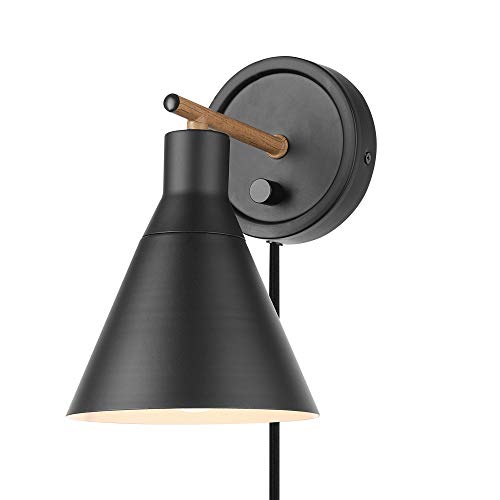

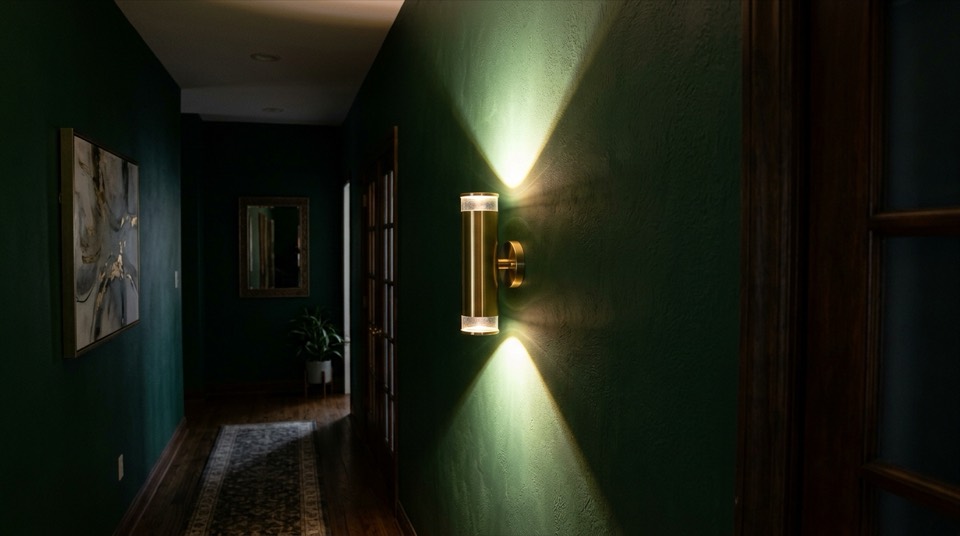
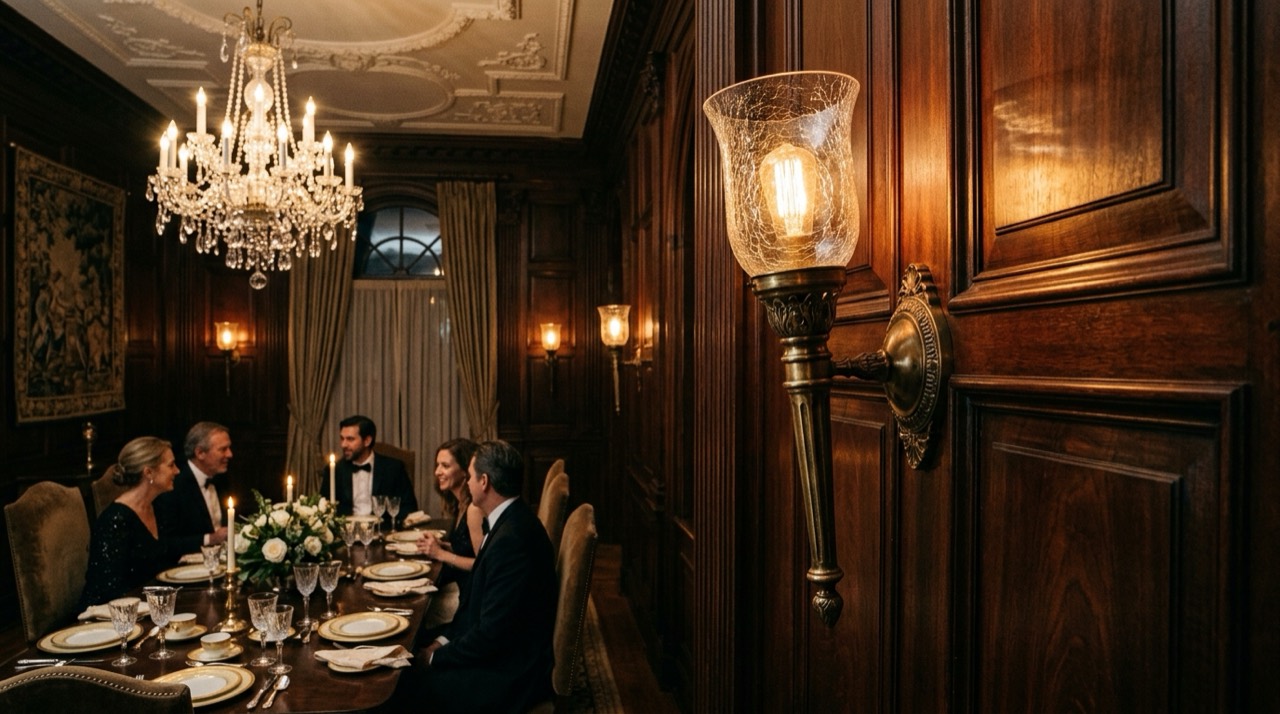
A wall sconce is a light fixture mounted directly to a wall rather than hanging from the ceiling or sitting on a surface. Because the light source is at eye level instead of overhead, sconces work best as accent or task lighting rather than the sole light source in a room. In a bedroom they're most often used as reading lights beside the bed, freeing up nightstand space that would otherwise go to table lamps. In hallways and stairwells, a row of sconces provides even, low-glare wayfinding light. In bathrooms, sconces flanking a mirror give more even facial lighting than a single overhead fixture, which tends to cast shadows under the eyes and chin.
The classic bedroom application is a pair of sconces flanking the headboard, replacing bedside lamps. This works well in small bedrooms where nightstand surface area is limited, and it's a common upgrade when a room is being repainted or the headboard wall is being reworked anyway. Sconces are also useful along a reading nook, above a dresser, or in a walk-in closet where a ceiling fixture alone leaves the space along the walls dim. They pair naturally with a central ceiling fixture — a flush mount ceiling light or, in a primary bedroom, a ceiling fan with a light kit — so the room has both ambient light overhead and softer accent light at eye level.
There's no single "correct" sconce size, but a few rules of thumb keep proportions sensible. For a bedside sconce, look for a fixture roughly 6 to 12 inches tall and projecting 6 to 10 inches from the wall — enough to clear a pillow without a reader bumping their head on it. Space the pair symmetrically around the headboard's centerline, typically 28 to 36 inches out from center so light falls where a book or phone would be held, not directly overhead. For a hallway, sconces are usually spaced every 6 to 10 feet depending on their brightness and the ceiling height; taller ceilings can tolerate wider spacing since the light throw is greater.
Wall sconces come in two wiring styles. Hardwired sconces connect directly to your home's electrical wiring behind a junction box in the wall, and they're the cleanest-looking option since there's no visible cord. Plug-in sconces mount to the wall the same way but have a cord that runs to a nearby outlet, often routed through a cord cover channel that mimics conduit. Plug-in versions are the better fit for rented apartments, or any wall where running new wiring isn't practical. Hardwired versions are the better long-term choice for a primary bedroom renovation, since they can be tied into a wall switch or dimmer like any other permanent fixture. See our dedicated guide on hardwiring versus plugging in a sconce for the full breakdown, including when a licensed electrician is required.
For bedside reading, look for 450 to 800 lumens per sconce (roughly a 40 to 60 watt incandescent equivalent) in a warm color temperature of 2700K to 3000K — cooler, bluer light in the 4000K-plus range reads as more clinical and isn't ideal right before sleep. Confirm the fixture is rated for dimmable LED bulbs if you want to pair it with a dimmer switch, and check the maximum wattage stamped on the fixture's UL label before installing a bulb. Many modern sconces ship with an integrated LED module rather than a replaceable bulb; those typically list their own lumen output and rated hours directly in the product specs.
Any sconce installed in a bathroom, especially near a shower, or on a covered exterior porch needs a UL damp-rated or wet-rated listing — a standard dry-rated indoor fixture isn't safe in those locations. Damp-rated fixtures handle humidity and occasional moisture, such as a powder room or a bathroom sconce outside the direct shower spray zone; wet-rated fixtures are sealed against direct water contact and are required for anything exposed to rain or a shower interior. The rating is printed on the fixture's UL or ETL label — check it before buying rather than assuming.
A dimmer turns a sconce from a single-brightness fixture into something that works for both reading and simply providing low ambient light at night. In-wall dimmers need to be compatible with whatever bulb or driver is in the fixture — LED-compatible dimmers are different from older incandescent dimmers, and installing the wrong type causes flickering or buzzing. If the sconce is plug-in, a smart plug or an in-line lamp dimmer accomplishes the same thing without any wiring changes.
Bedroom sconces range from swing-arm reading lights with an articulated shade you can angle over a book, to sealed drum or globe shades that just add general glow. Swing-arm and gooseneck styles are the better pick if the sconce is doing real reading-light duty; fixed-shade styles are better for pure ambiance, paired with a separate table lamp for actual reading light if needed.
Go Deeper
Detailed companion guides for wall sconces.
The Right Height to Hang Wall Sconces Room by Room
How high to hang wall sconces, room by room: living rooms, bathrooms, bedrooms, hallways, and stairs, with exact heights and measuring tips.
Hardwired vs Plug-In Wall Sconces: Which to Choose
Hardwired vs plug-in wall sconces compared: installation, cost, looks, and flexibility, plus how to convert or hide a cord and which to choose.