
Choosing and Placing Pendant Lights in Your Home
Pendant lights are individual fixtures that hang from the ceiling on a cord, chain, or rigid stem, casting light downward onto a specific surface — a kitchen island, a dining table, a kitchen sink, or an entryway console. Unlike a flush-mount ceiling fixture or a ceiling fan with a light kit, which are built to fill a whole room with ambient light, pendants are task and accent lighting first. That focus is what makes them so useful, and also why getting the count, size, and height right matters more than it does for a general ceiling fixture.
Where pendants work best
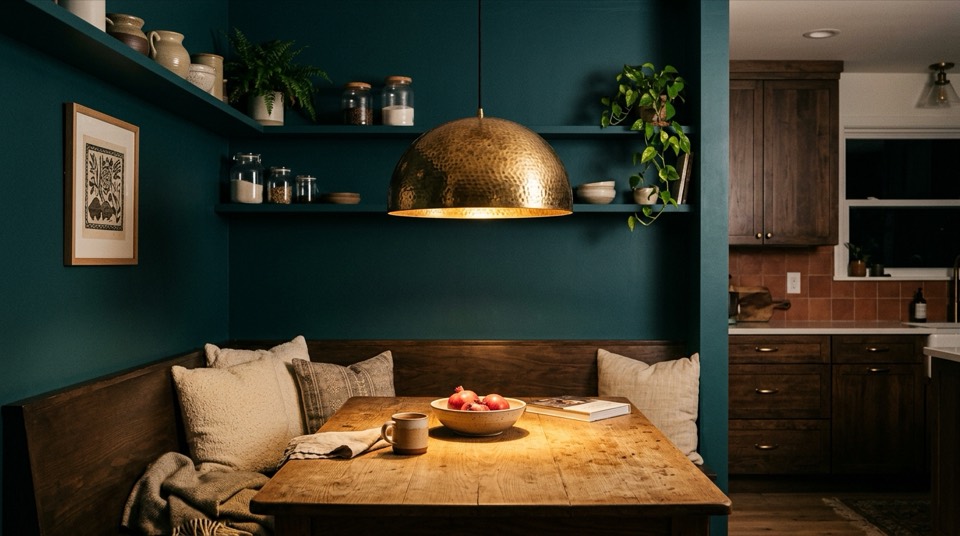
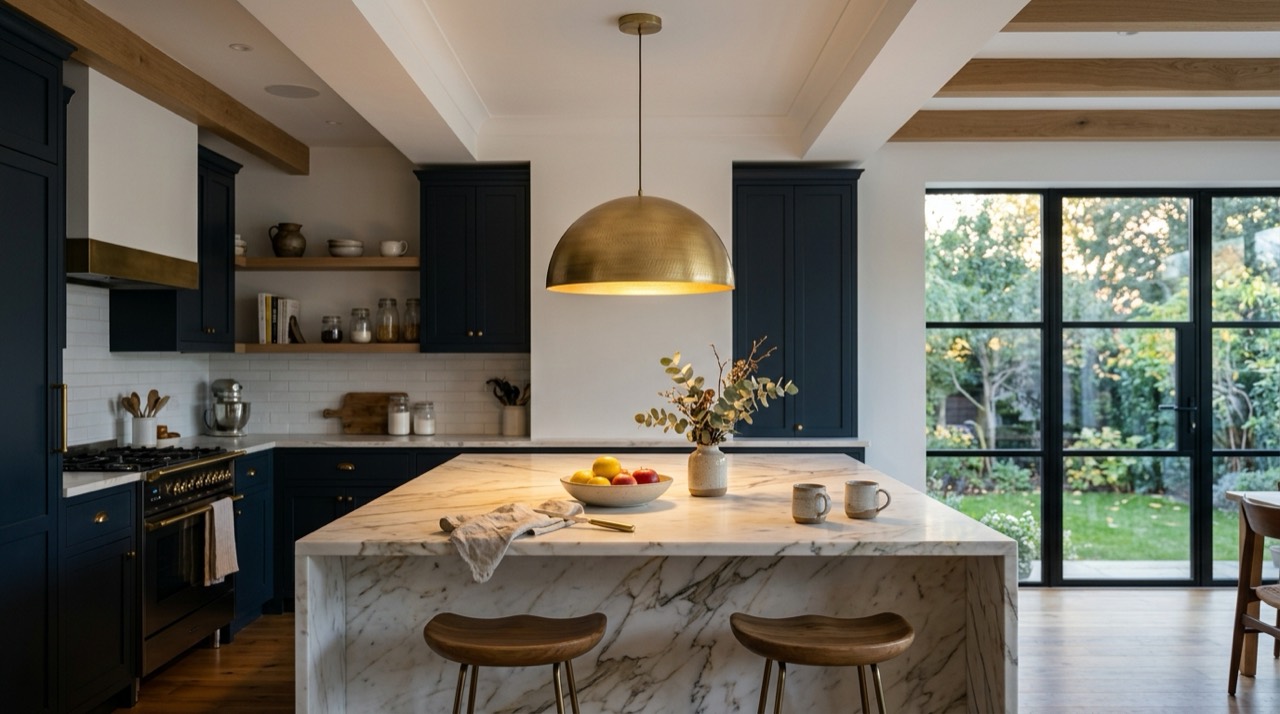
The most common use is over a kitchen island or peninsula, where a row of two or three pendants lights the counter for food prep and gives the kitchen a visual anchor. Pendants also do well over dining tables (often as a single large fixture or a linear multi-light bar), above kitchen sinks, in stairwells and entryways, and as bedside task lighting in place of table lamps. In bathrooms, stick to fixtures rated for damp locations if the pendant will hang near a shower or tub; a standard dry-location fixture is fine over a vanity that's away from direct water spray.
Matching style to the room
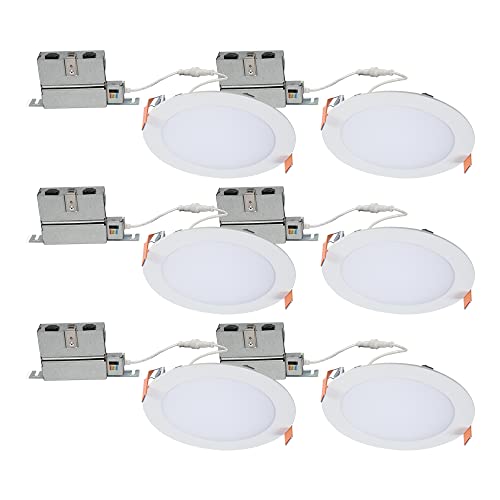
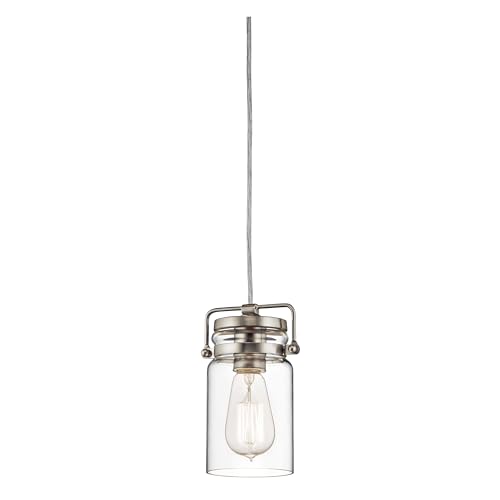
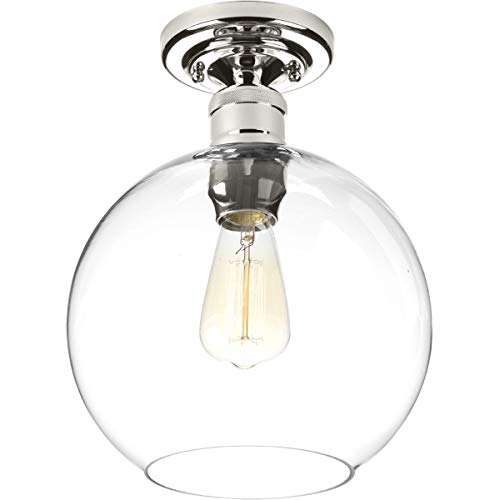
Pendant styles run from clear or seeded glass globes and schoolhouse shades to woven rattan, matte-black cages, and vintage-look fixtures with exposed Edison-style filament bulbs. As a rule of thumb, pick a finish that echoes at least one other metal already in the room — cabinet hardware, faucet, or barstool frames are the easiest matches. If the kitchen already has a ceiling fan or recessed cans on a warm-white setting, keep the pendant's color temperature consistent so the room doesn't end up with two different "moods" of light fighting each other.
Sizing and how many to hang
For a single dining-table pendant, a common guideline is a fixture diameter roughly one-half to one-third the width of the table, so it reads as proportional rather than lost or overwhelming. For a run of multiple pendants over an island or table, add up the total width of the fixtures — including the visual spacing between them — and keep that to roughly one-half to two-thirds of the island's length, with the outer edges tucked in a few inches from the ends rather than hanging out past them. The specific math for how many pendants to use is covered in detail in a dedicated guide below.
Bulbs, color temperature, and dimming
Most modern pendants take a standard medium-base (E26) bulb, and nearly all are designed around LED bulbs now rather than incandescent. For kitchens and task areas, 2700K–3000K (soft white to warm white) is the most common comfortable choice, while some contemporary or workspace-style kitchens use 3500K–4000K for a crisper look. If you want to dim the pendants, confirm both the fixture and the bulb are dimmer-compatible, and pair them with a dimmer switch rated for LED loads — a standard incandescent dimmer can cause flickering or buzzing with LED bulbs. Smart bulbs, such as Philips Hue, or a smart switch platform like Lutron Caseta, let you adjust brightness and color temperature without rewiring anything, which is a good workaround in a rental or for anyone who doesn't want to swap the wall switch.
Renter-friendly and no-rewiring options
If you're renting or don't want to touch existing wiring, plug-in pendants are a straightforward option: the cord runs along the ceiling and wall to a standard outlet instead of connecting to a junction box, and many kits include a hook and a cord-cover channel to keep the run tidy. These give you the same visual impact as a hardwired pendant without any electrical work, though you'll still want to anchor the ceiling hook into a joist, or use an appropriate wall anchor, so the fixture doesn't pull loose over time.
Electrical safety and installation
Swapping a pendant for an existing pendant, flush mount, or fan-and-light combo on the same electrical box is a manageable weekend project for a comfortable DIYer, but it still involves live household wiring. Always turn off power at the breaker — not just the wall switch — and confirm the circuit is dead with a non-contact voltage tester before touching any wires. If you're adding a new electrical box, moving a fixture location, wiring a multi-pendant kit that needs a new switch leg, or you're not fully confident identifying and matching wires, hire a licensed electrician. This is exactly the kind of job where a mistake creates a real fire or shock hazard, and many jurisdictions require a permit and inspection for new circuits or boxes regardless of skill level. A qualified electrician can also confirm your ceiling box, and any support bar, is rated to hold the total weight of a multi-pendant fixture, which matters more with heavier glass or metal shades.
Pendants alongside ceiling fans and other fixtures
In an open kitchen-living space, it's common to combine a ceiling fan — sometimes with its own light kit — over the living or dining area with pendants over the island, as long as the finishes and bulb color temperature are coordinated so the space reads as one design rather than two unrelated fixture choices. If you're planning a broader lighting layout, it's worth reviewing chandeliers and dining fixtures and vanity lighting alongside your pendant choice so the whole room's fixtures feel intentional rather than picked one at a time.