

Ceiling Fan Parts & Accessories: A Practical Guide
Most ceiling fan problems don't require a whole new fan. A wobble, a dead remote, a fan hung too close to the ceiling, or blades that look tired after a decade of dust and sun exposure can usually be fixed with the right replacement part. This guide walks through the accessory categories homeowners buy most often, what each one actually does, and how to figure out which spec you need before you order anything.
Downrods: getting the height right
A downrod is the rigid pipe that connects the fan motor to the ceiling mount. Fans typically ship with a short "standard" downrod sized for 8-9 foot ceilings, which is too short for many great rooms, lofts, or vaulted ceilings. The goal is to land the blades 8 to 9 feet above the floor for best airflow, and to keep at least 7 feet of blade clearance from the floor per most manufacturer guidance and the National Electrical Code's general fan-mounting practice.
Downrods are sold by length (typically 6 inches to 72 inches) and by diameter, which must match your specific fan brand and model — a 0.75-inch downrod from one manufacturer usually won't fit a fan built for a 1-inch rod. Always check your fan's model number before buying a replacement or extension downrod, and match the finish to your fan's housing if it will be visible.
Universal light kits
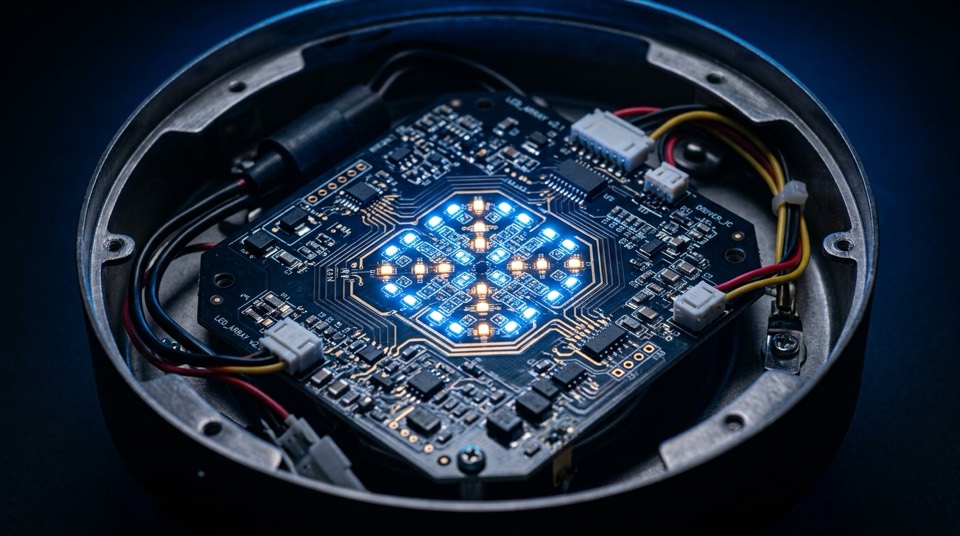
Many ceiling fans are sold "light kit adaptable," meaning the motor housing has a wiring harness and mounting bracket ready for a light kit even if the fan came without one. A universal light kit typically includes a glass bowl or shade, a mounting adapter plate, and a bulb socket assembly rated for LED, CFL or incandescent bulbs. Because fan-light fixtures run warmer and vibrate more than a static ceiling fixture, look for kits explicitly rated for ceiling fan use rather than a generic pendant conversion kit.
If you're replacing bulbs rather than the whole kit, matching color temperature (measured in Kelvin) to the rest of the room keeps the light feeling consistent — 2700K to 3000K reads as warm/soft white, while 4000K and above reads cooler and more clinical.
Remote and wall controls
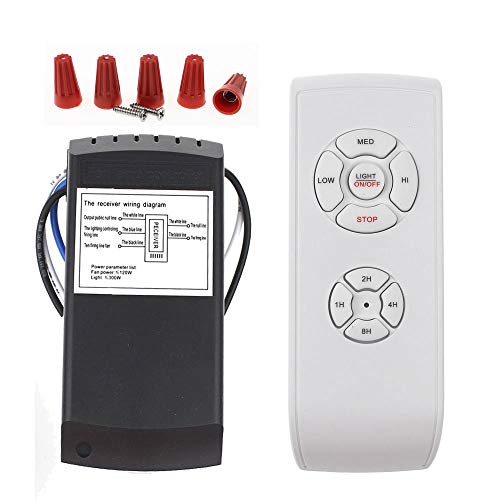
A remote or wall control lets you run fan speed and light dimming without a pull chain. Most aftermarket universal remote kits install inside the fan canopy and communicate over a small radio-frequency link, learning the household's frequency to avoid interference with a neighbor's fan. Wall-mounted smart controls (the kind that pair with a home Wi-Fi network) let you set schedules or group the fan with other smart-home devices, but they still require the fan wiring to support separate switched circuits for fan and light if you want independent dimming control.
Replacement blades and blade arms
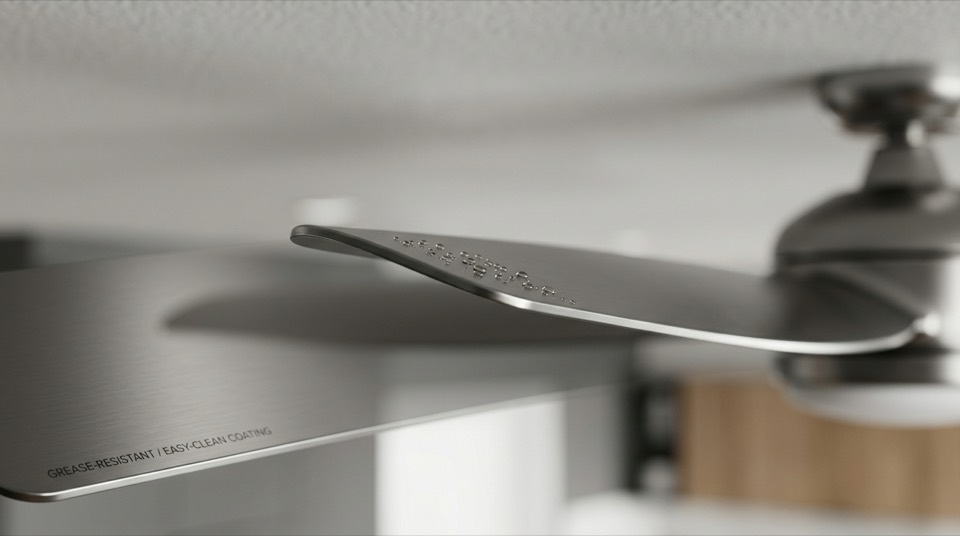
Ceiling fan blades wear out cosmetically well before the motor does — sun-faded veneer, warped MDF from bathroom or covered-patio humidity, or a missing balancing weight after years of dusting. Blades are sold by span (the diameter the full blade set sweeps) and by the bolt pattern on the blade arm, so a replacement set needs to match both your fan's model and its arm spacing, not just its overall size. A blade set with a damp or wet UL rating is required for any fan installed in a covered outdoor space, bathroom, or anywhere the blades may see direct moisture.
Capacitors
The capacitor is a small electrical component that starts and regulates the motor's fan speed settings. A failing capacitor is one of the most common reasons an older fan runs on only one or two speeds, hums without turning, or won't start at all. Because a capacitor replacement means working inside the fan's wiring compartment, treat it as an electrical repair: turn off power at the breaker, not just the wall switch, before opening the housing, and if you are not fully comfortable identifying and matching capacitor ratings, call a licensed electrician.
Ceiling medallions and pull-chain kits
A ceiling medallion is a decorative trim ring installed between the ceiling and the fan's canopy, mainly to cover an old fixture's paint outline or crown-and-plaster imperfections — it's cosmetic and doesn't affect the fan's electrical function. Pull-chain kits (separate chains for fan speed and light) are inexpensive fixes for a snapped chain or a stripped switch inside the canopy, and are one of the easiest DIY parts on this whole list because they rarely require touching wiring beyond the existing switch housing.
When to call an electrician
Downrods, blades, medallions and pull chains are straightforward mechanical swaps. Anything involving the capacitor, the wiring harness, or a fan that needs to move to a new ceiling location is electrical work. Turn off the breaker (not just the switch) before opening any wiring compartment, and bring in a licensed electrician if you're unsure about wire colors, box ratings, or whether your ceiling box is rated to support a fan's weight and vibration — fan-rated boxes are required by code and a standard light-fixture box is not a safe substitute.