

How to Choose the Right Light Bulb
Walk down the light bulb aisle today and you'll find LED, halogen, and the last few incandescent stragglers sitting side by side, plus a growing wall of smart bulbs that pair with Wi-Fi and voice assistants. The good news: LED has won. It's more efficient, lasts longer, and now comes in every shape, size, and color temperature a household needs. The real skill isn't picking a brand — it's matching lumens, Kelvin, base type, and features to the fixture and the room.
Start With Lumens, Not Watts
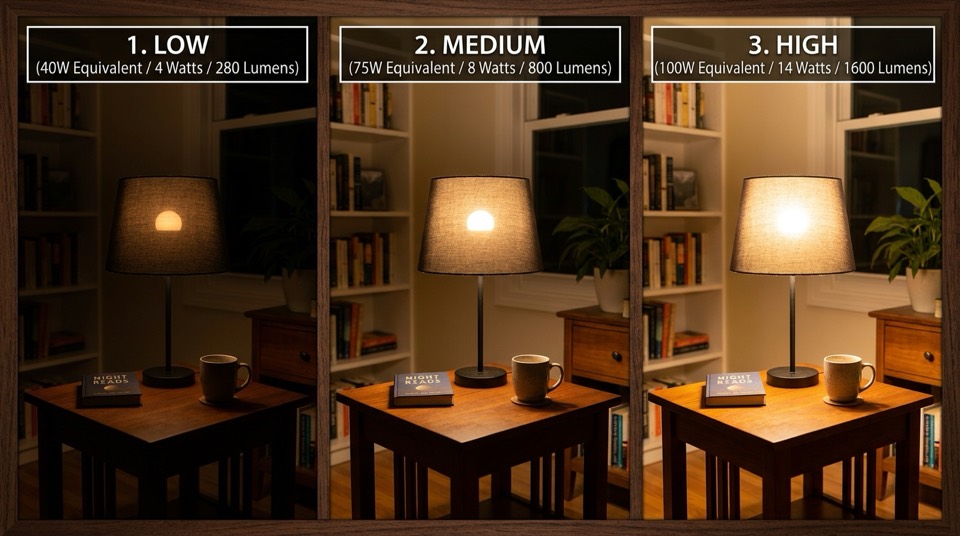
Wattage tells you how much electricity a bulb draws, not how bright it is. That distinction matters more with LED, because a modern bulb uses a fraction of the wattage an old incandescent needed to produce the same light. Use these rough lumen equivalents, based on U.S. Department of Energy and ENERGY STAR guidance, when comparing bulbs:
- 40-watt incandescent equivalent is about 450 lumens
- 60-watt incandescent equivalent is about 800 lumens
- 75-watt incandescent equivalent is about 1,100 lumens
- 100-watt incandescent equivalent is about 1,600 lumens
Match Color Temperature (Kelvin) to the Room
Color temperature describes how warm or cool the light looks, measured in Kelvin (K):
- 2700-3000K (warm white) is closest to old incandescent light and suits bedrooms, living rooms, and dining areas.
- 3500-4100K (neutral/cool white) is crisper and more energizing, and works well in kitchens, bathrooms, and home offices.
- 5000-6500K (daylight) is the coolest, bluest light, suited to garages, workshops, and close task work.
Check the Base and Shape
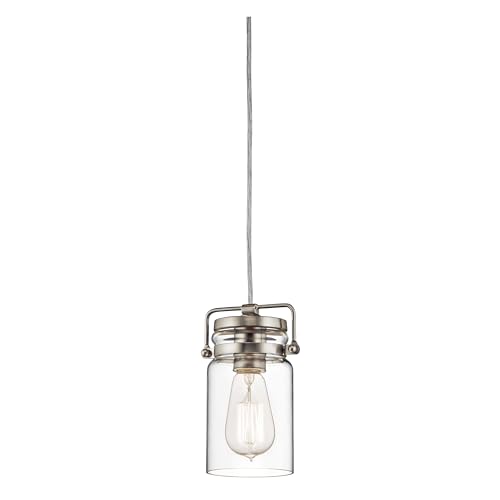
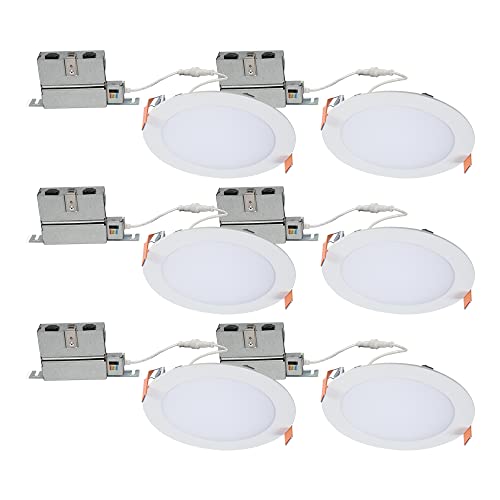
Most US household sockets use a medium E26 base, but lamps, ceiling fans, and decorative fixtures often take a smaller candelabra E12 base, and recessed or track fixtures may need a GU10 or BR30/PAR30 reflector bulb. Pull the old bulb and check the base and shape code stamped near the socket end before ordering a replacement.
Dimmable or Not
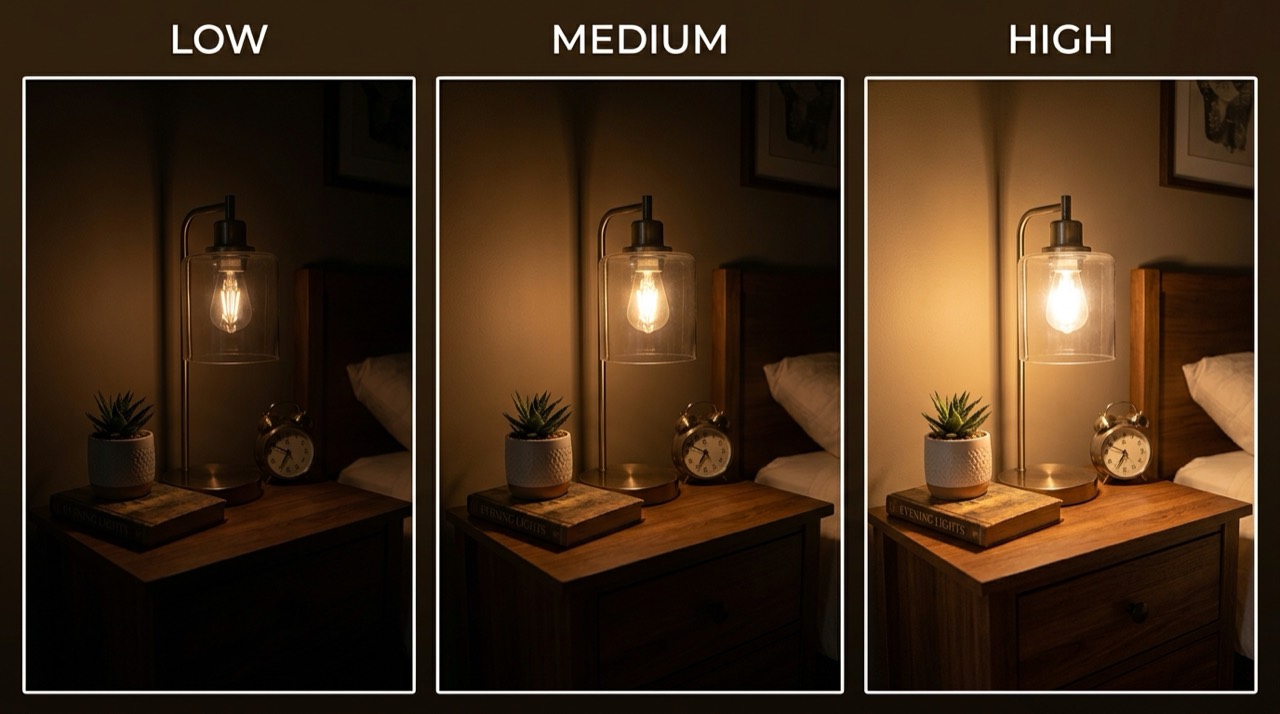
Not every LED is dimmable, and not every dimmer switch is LED-compatible. Pairing a non-dimmable LED with a dimmer — or an LED with an older incandescent-only dimmer — can cause flickering, buzzing, or premature failure. If the fixture is on a dimmer, buy bulbs labeled "dimmable" and, where possible, check the bulb against the dimmer manufacturer's compatibility list.
Damp, Wet, and Enclosed Fixture Ratings
Bathroom fixtures near showers, and any outdoor fixture, need a bulb rated for damp or wet locations under UL listing standards — check the packaging. Fully enclosed fixtures, like globes and some ceiling fan light kits, trap heat, which shortens LED lifespan faster than an open fixture does, so look for bulbs specifically marked "enclosed fixture rated" if that's where they're going.
Do You Need a Smart Bulb?
Smart LED bulbs add app control, scheduling, dimming without a separate dimmer switch, and often color-changing or voice control through Alexa, Google Home, or Apple Home. They earn their keep in a handful of fixtures — entryways, bedside lamps, accent lighting — where scheduling or color genuinely gets used. For whole-house retrofits of a dozen-plus bulbs, standard non-smart LEDs are far cheaper and simpler, and any guest can still operate a normal wall switch without installing an app.
Color Rendering Index (CRI)
CRI measures how accurately a bulb renders colors compared with natural daylight, on a scale up to 100. For kitchens, bathrooms, closets, and anywhere you check food color or your appearance, look for a CRI of 90 or higher; most basic LEDs sit closer to 80, which is fine for hallways and utility spaces but can make skin tones and produce look slightly off.
A Quick Safety Note
Always switch a fixture off — and for ceiling fixtures on a shared circuit, it's worth switching off the breaker too — before changing a bulb, especially in a fully enclosed or recessed fixture where the socket may still be live if a switch is wired incorrectly. Screwing in a replacement bulb is a simple DIY task, but if you're chasing a flickering fixture back to old wiring, a buzzing dimmer, or anything beyond swapping the bulb itself, call a licensed electrician rather than opening up the fixture's wiring.
Once you've nailed down lumens, Kelvin, base type, and dimming needs, picking between specific bulb models comes down to budget and whether smart features are worth it for that fixture — see the buying guide below for our top picks.