Grow Lights: Complete Guide
Comprehensive technical analysis of sizing, materials, installation requirements, and manufacturer standards for grow lights.

Recommended Products
See the full ranking →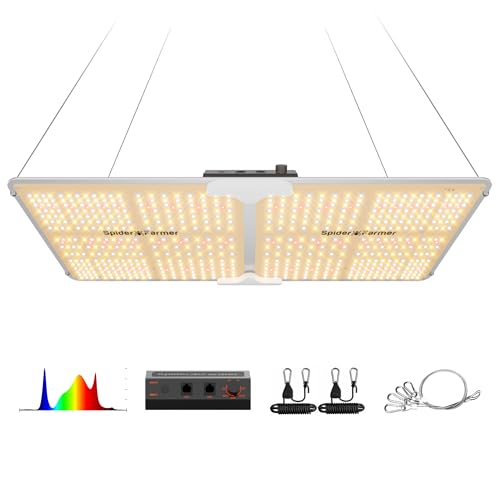


Most windows filter out a large share of the light plants can actually use, and even a bright-looking room can measure far below what a plant needs to photosynthesize well once you move a few feet back from the glass. A north-facing window, deep window sills, or short winter days all cut into that budget fast. A dedicated grow light closes the gap by putting a stronger, more useful spectrum of light closer to the leaves, on a schedule you control.
This guide focuses on choosing and placing a grow light for houseplants, herbs, seedlings, and other ornamental or edible plants grown indoors. It does not address growth outcomes for any specific plant — light is one of several inputs, along with soil, water, humidity, and temperature, and results vary by species and setup.
Plants use light mostly in the 400–700 nanometer range, often called PAR (photosynthetically active radiation). Chlorophyll absorbs most efficiently in the blue band (roughly 400–500nm) and the red band (roughly 600–700nm), which is why older grow lights were often pink or purple — they emitted mostly red and blue diodes with little else.
Most current LED grow lights, including panels from Spider Farmer and Mars Hydro, are marketed as "full spectrum," meaning they mix red, blue, green, and often a bit of far-red to approximate natural daylight rather than a narrow pink glow. Full-spectrum lights tend to look more like white light in the room, make it easier to judge plant color and spot pest problems, and work across a wider range of plant types than a red/blue-only fixture. A grow light's spectrum matters more than its Kelvin (color temperature) rating alone — a light can be labeled 3000K or 6500K, but the spectrum graph in the manufacturer's spec sheet is a better indicator of how much usable PAR it actually puts out.
Two numbers matter more than anything printed in big letters on the box:
- PPFD (photosynthetic photon flux density), measured in micromoles per square meter per second (μmol/m²/s), shows how much usable light is actually landing on the plant's canopy at a given distance. Manufacturers usually publish a PPFD map showing values at the center and edges of the coverage area at a specific mounting height.
- Actual wattage draw, measured at the wall rather than an inflated "equivalent wattage," reflects real power consumption and is a rough proxy for output when comparing similarly built fixtures. A panel that draws 100 watts using efficient diodes will usually outperform an older-style light that also draws 100 watts but wastes more of that energy as heat.
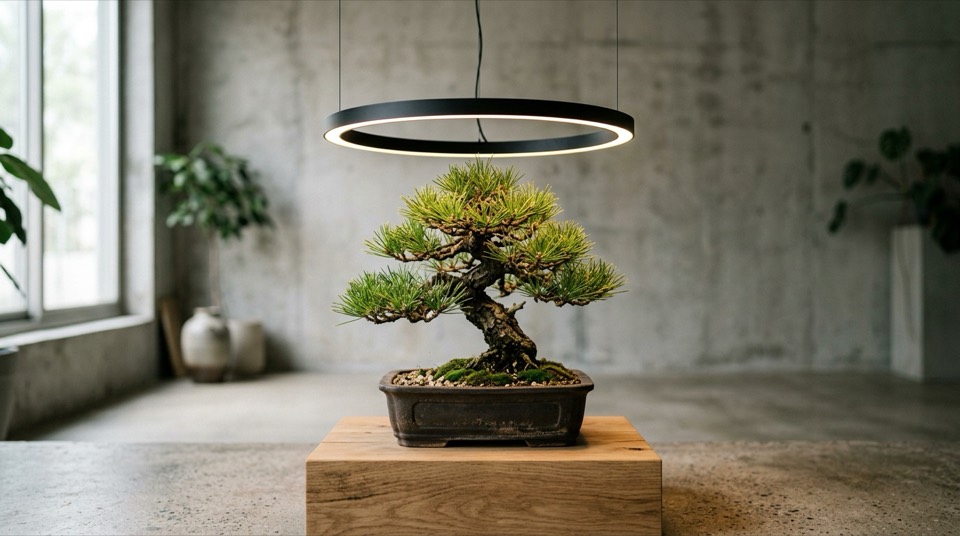
Grow light coverage is typically listed as two footprints: a larger area for lower-intensity growth stages and a smaller, more concentrated area for stages that want higher light intensity. A fixture might be rated for a 4x4-foot footprint at a lower setting and a tighter 2x2-foot footprint at full intensity. When comparing lights for a shelf, windowsill, or grow tent, match the coverage rating to your actual footprint at the height you plan to hang the fixture — coverage shrinks as you raise the light and concentrates as you lower it.
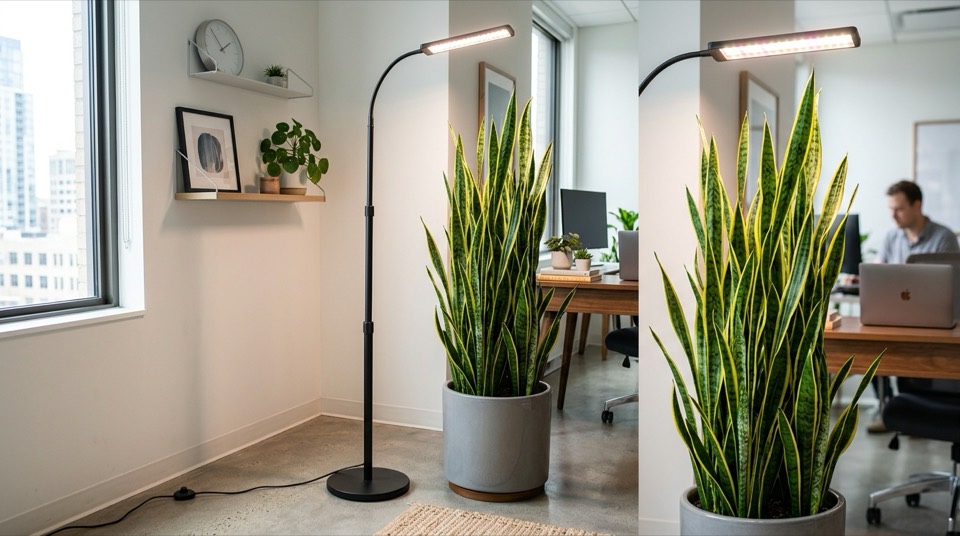
For a single houseplant or small cluster of pots, a much smaller fixture, or even a screw-in grow bulb in a nearby lamp, is often enough. Multi-shelf plant stands usually do better with a strip or panel light rated for the width of each shelf rather than one light trying to cover several shelves at once.
Manufacturer instructions vary by wattage and diode density, but as a general starting point:
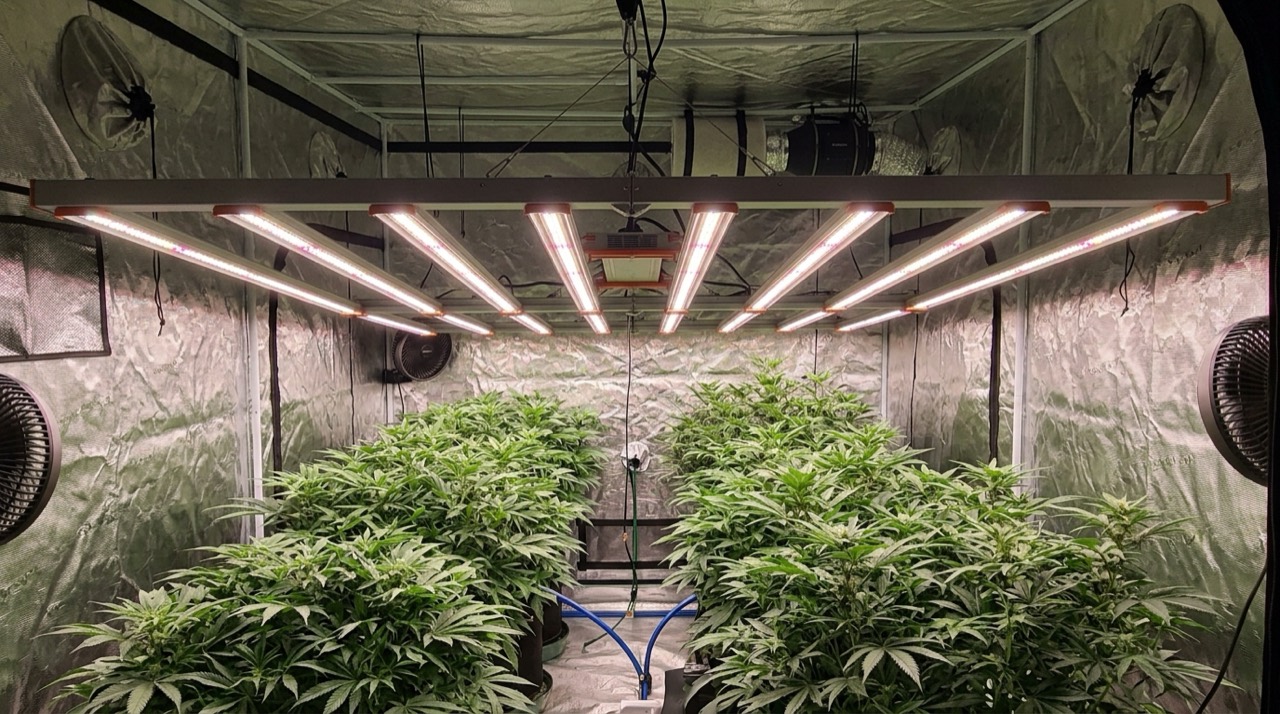
- High-output LED panels (100W+ actual draw) are commonly hung 12–24 inches above the canopy and raised as plants grow.
- Lower-output panels and strip lights often sit 6–12 inches above the foliage.
- Screw-in grow bulbs in a standard lamp are typically placed 12–18 inches from the plant, since their output is lower and more directional.
- Run grow lights on an inexpensive outlet timer. A fixed on/off schedule is easier to be consistent with than manually flipping a switch, and it's one of the most reliable adjustments most people make.
- Choose a fixture with a dimmer or multiple power settings if you're lighting a mixed collection of plants with different light needs on one shelf.
- Check the fixture's cooling design. Fanless aluminum-body panels run silently but get warm to the touch, while fan-cooled units run cooler but add some noise; either is fine in a quiet room, but it's worth factoring in for a bedroom or office setup.
- Plug high-wattage panels directly into a wall outlet rather than a low-gauge extension cord or a power strip already loaded with other devices, and avoid running multiple full-size grow panels off a single household circuit. If you're planning a dedicated grow space with several high-wattage fixtures, or considering a hardwired circuit or new switch, turn off power at the breaker before doing any electrical work and have a licensed electrician handle new circuits or permanent wiring — this isn't a project to improvise.
- ENERGY STAR and the U.S. Department of Energy both publish general guidance on LED efficiency that's worth a skim if you're comparing wattage claims across brands, and the Illuminating Engineering Society (IES) sets the broader lighting-measurement standards that PPFD and PAR ratings are built on.
Go Deeper
Detailed companion guides for grow lights.
Full Spectrum vs Red-Blue Grow Lights: What Plants Need
Full spectrum vs red-blue grow lights: what plants really need, how the spectrums differ, and which is the more versatile choice for home growers.
How Far to Hang LED Grow Lights Above Your Plants
How far to hang LED grow lights from plants: 24 to 36 in for seedlings, 18 to 24 for veg, 12 to 18 for flowering. Watch the canopy and adjust.