Ceiling Fans with Lights: Complete Guide
Comprehensive technical analysis of sizing, materials, installation requirements, and manufacturer standards for ceiling fans with lights.


Recommended Products
See the full ranking →


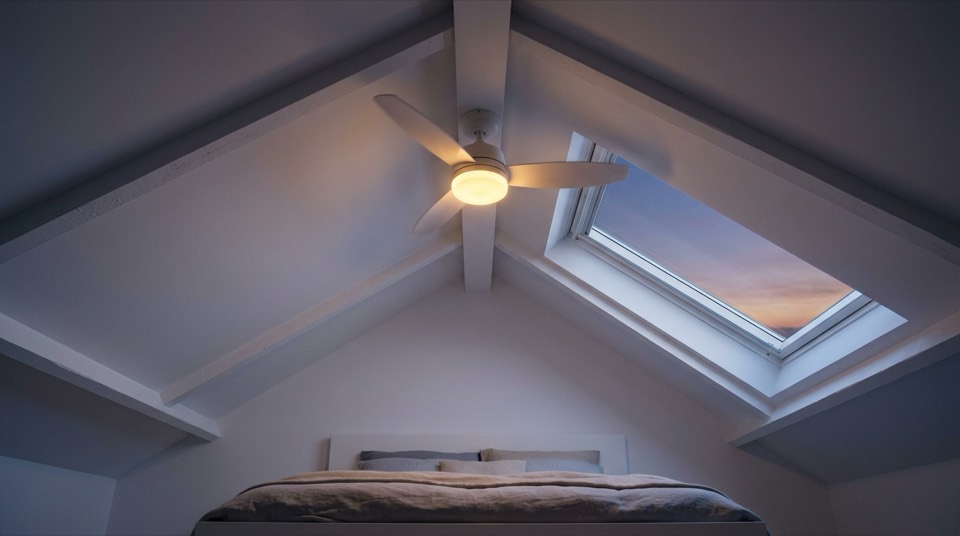
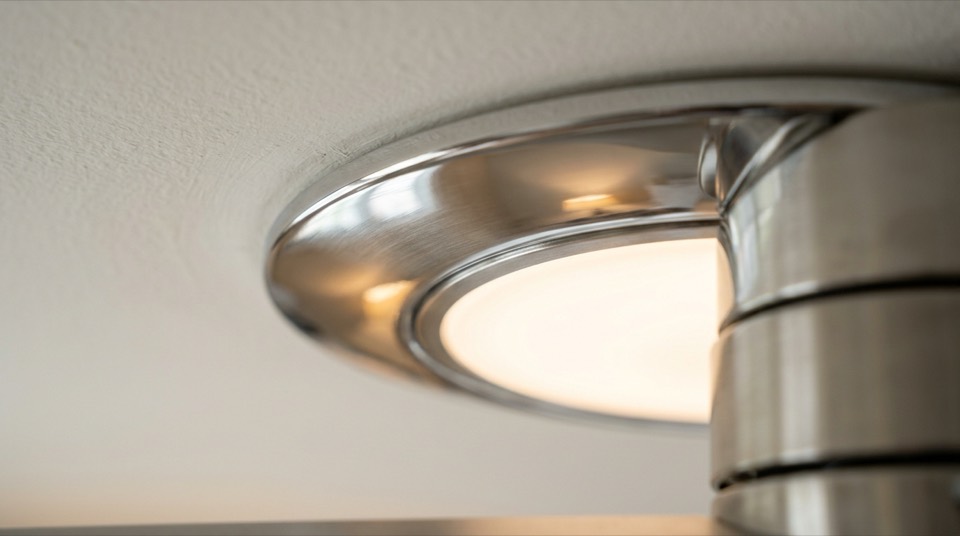
A ceiling fan with an integrated light kit does two jobs from a single ceiling box: it circulates air and it lights the room. For bedrooms, living rooms, and family rooms, that combination is usually more practical than mounting a bare ceiling fan and a separate flush-mount fixture nearby, since it uses one electrical box instead of two and keeps the ceiling less cluttered. The tradeoff is that you are locked into whatever light output and style the fan's kit offers, so it pays to check the specs before you buy rather than after the fan is on the ceiling.
Blade span (the diameter measured across the tips of the blades) should scale with square footage, not just look. As a general guide used across the ceiling fan industry:
- Rooms up to about 75 sq ft (small bedrooms, breakfast nooks): 29-36 inch blade span
- Rooms 75-175 sq ft (bedrooms, home offices): 42-48 inch blade span
- Rooms 175-350 sq ft (living rooms, primary bedrooms): 52-56 inch blade span
- Great rooms over 350 sq ft: 56-72 inch blade span, sometimes with two fans
Most ceiling fan light kits now ship with integrated LEDs rather than replaceable bulbs, and total output is usually listed in lumens on the packaging or spec sheet. As a rough target, the U.S. Department of Energy's general lighting guidance suggests roughly 1,500-3,000 lumens for a living room and somewhat less for a bedroom used mainly for ambient light, though task areas like a reading nook will want a dedicated lamp regardless of what the fan puts out.
Color temperature is measured in Kelvin: 2700-3000K reads as warm and residential, while 3500-4000K reads whiter and is more common in kitchens and bathrooms. Some newer fans offer selectable or tunable color temperature via remote or app, which is worth having if the fixture will double as the main light source in a multi-use room.
Check dimming compatibility before you buy. Integrated LED fan lights are usually only dimmable with the fan's own remote or wall control, not with a standard incandescent wall dimmer, and putting a fan-light circuit on the wrong type of dimmer can cause humming, flickering, or reduced motor life.
Standard building code calls for at least 7 feet of clearance between the blades and the floor. For 8-foot ceilings, a flush-mount or low-profile (hugger-style) fan sits closer to the ceiling and is usually the only option that clears that requirement with a light kit attached. For ceilings 9 feet and taller, a downrod-mounted fan hangs lower into the room, which generally moves air more effectively than a hugger-style fan in the same size room.
Entry-level fans still use separate pull chains for the fan and light. Mid-range and premium models increasingly include a wall control or handheld remote that operates fan speed, light on/off, and dimming from one interface. Wi-Fi and smart-hub-compatible fans add app control and voice assistant integration (commonly Amazon Alexa or Google Assistant), plus scheduling. If you already run a smart lighting system from a brand like Philips Hue or a smart switch platform like Lutron Caseta, confirm the fan's light kit is compatible before assuming it will join that ecosystem.
Fans rated for indoor use only should not go on a covered porch or in a bathroom with a shower. Look for a damp-rated listing for covered, dry outdoor locations, or a wet-rated listing for locations directly exposed to rain. These UL ratings apply to the specific fan and light kit as tested, so a damp- or wet-rated body does not automatically mean an add-on light kit carries the same rating.
Before doing any of this work, turn off power to the circuit at the breaker, not just at the wall switch, and verify the circuit is dead with a non-contact voltage tester. A ceiling fan needs a fan-rated electrical box, not a standard light-fixture box, because fans put ongoing vibration and load on the mounting point that a light-only box is not built to handle. If your existing box is not fan-rated, if you are adding a new circuit, or if you are at all unsure about the wiring, hire a licensed electrician rather than guessing. Most local codes also require a permit for new circuits or new boxes, and an electrician can confirm what your jurisdiction requires.
A ceiling fan with lights is a good default choice for most living spaces, as long as you size the blade span to the room, check CFM and lumens rather than assuming bigger is better, and confirm the light kit dims the way you expect. Save wet-rated fans for genuinely exposed outdoor spots, and treat any wiring or box work as a job for a licensed electrician when you are not confident doing it yourself.
Go Deeper
Detailed companion guides for ceiling fans with lights.
How to Add or Replace a Ceiling Fan Light Kit Yourself
How to add a light kit to a ceiling fan yourself: confirm compatibility, match the wires by color, and mount it safely in under an hour.
Integrated LED vs Replaceable Bulb Ceiling Fan Light Kits
Integrated LED vs replaceable bulb ceiling fan light kits compared: lifespan, repair, color, dimming, and style to help you pick the right one.