

The Kelvin Scale, Briefly
Color temperature is measured in Kelvin (K), and — somewhat counterintuitively — lower Kelvin numbers describe warmer, more orange-toned light, while higher numbers describe cooler, bluer-white light. A candle flame sits around 1800K-1900K; a clear blue sky reads as 10,000K or higher.
Where Edison and Vintage Bulbs Sit
Edison and vintage-style bulbs cluster almost entirely in the 2000K-2700K range:
- 2000K-2200K ("amber" or "antique") — the warmest, most dramatic option, closely mimicking the orange glow of a genuine carbon-filament bulb from the 1800s. This range suits accent and mood lighting — a statement pendant, a cage fixture, a bar or restaurant-style fixture — more than a room's primary light source.
- 2400K-2700K ("soft white" or "vintage warm") — still warm, but closer to a standard household incandescent bulb's familiar glow. This range works better as general room lighting since it reads as less orange and more like typical "soft white" LED or incandescent light.
Why the Listing's Kelvin Number Matters More Than the Marketing Term
Brands aren't consistent about what "warm," "antique," or "vintage" mean on a label — one brand's "warm white" might be 2200K while another's is 2700K. Checking the actual Kelvin figure on the product listing, rather than trusting the marketing description alone, is the reliable way to know how orange or how "soft white" a specific bulb will actually look once installed.
Matching Color Temperature to the Fixture
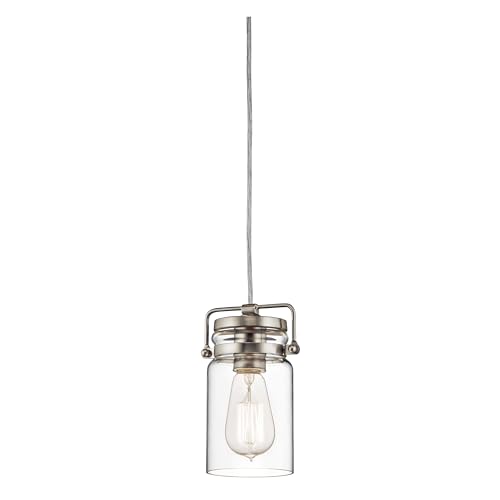
For a dramatic, clearly decorative fixture — an open pendant, a cage light, a marquee-style bulb — 2000K-2200K delivers the most authentic old-bulb look. For a fixture that also needs to function as comfortable everyday lighting — a dining room chandelier used at dinner, a living room floor lamp — 2400K-2700K tends to be the more livable choice, since it avoids the strongest orange cast while still keeping the vintage filament styling.


