

The Basic Idea
Recessed can lighting - also called can lights, pot lights, or downlights - is a light source installed up inside the ceiling rather than mounted on its surface. From below, all you see is a trim ring and the light itself; the rest of the fixture, including the wiring connections, sits hidden in the ceiling cavity or attic space above.
The name comes from the housing: a cylindrical metal or plastic can that holds the socket, wiring, and, on non-LED-integrated units, the bulb. The can does three jobs - it positions the fixture in the ceiling, manages heat from the bulb, and protects the wiring connections.
The Parts of a Can Light
- Housing (the can): the structural body mounted to the ceiling joists or clipped to drywall, wired into the circuit.
- Trim: the visible ring, baffle, or lens that determines the look and light quality - options include baffle trims (matte finish that reduces glare), reflector trims (glossy, for maximum light output), gimbal or adjustable trims (aimable), and lensed trims (for damp locations).
- Light source: traditionally a separate incandescent, halogen, or CFL bulb; on most products sold today, an integrated LED module built into the trim.
New Construction vs. Remodel Cans
New-construction housings are installed before the ceiling drywall goes up and attach directly to the joists. Remodel (old-work) housings are designed to be installed into a finished ceiling through a cut hole, clipping to the back of the drywall instead of the framing above.
Canless LED: The Modern Version
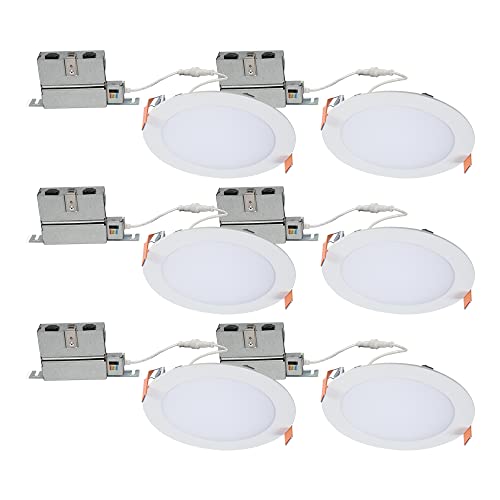
Most recessed lighting sold today isn't a traditional can at all - it's a canless or wafer-style LED, where a shallow junction box replaces the deep metal can and a thin light disc mounts flush to the ceiling. People still commonly call these can lights out of habit, even though there's no can in the traditional sense. Canless fixtures are thinner, faster to install, and don't have a separate bulb-and-socket connection to fail over time.
Where It's Used
Recessed can lighting is the standard choice anywhere a clean, unobtrusive ceiling is wanted: kitchens (general and task lighting), living rooms and bedrooms (ambient lighting), hallways and stairwells, bathrooms (with an appropriate damp or wet rating near tubs and showers), and basements with low ceilings where a hanging fixture would eat into headroom.
Installation and Safety
Installing recessed can lighting means running or extending electrical circuits, working inside ceiling and attic cavities, and cutting into drywall. Always shut off power at the breaker before working on any part of the circuit, and hire a licensed electrician for new circuits, unfamiliar or older wiring, or any work you're not fully confident performing yourself - most US jurisdictions require a permit and inspection for new lighting circuits.


