Best Bathroom Vanity Lighting
Best Bathroom Vanity Lighting, ranked from aggregated owner ratings and reviews, not first-hand testing. Real pros, cons, and who each pick is best for.

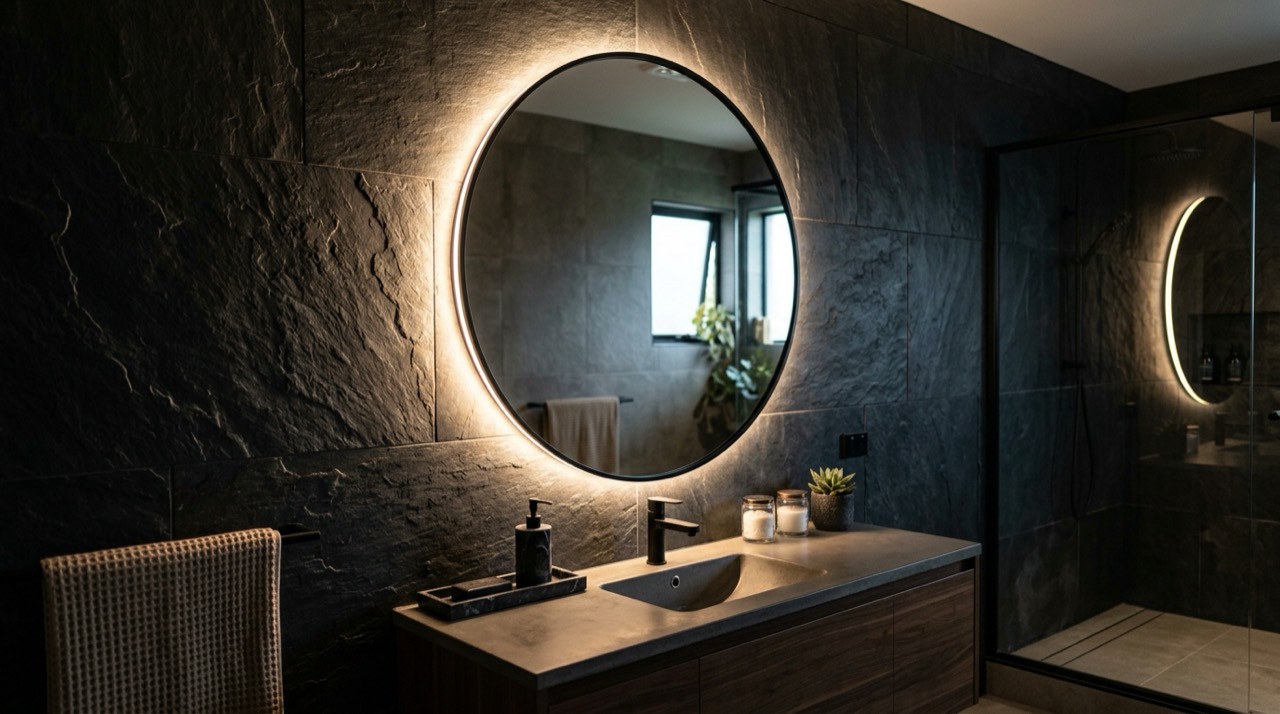
Our Top 3 Picks
Quick Comparison
| Product | Best for | Buy | |
|---|---|---|---|
| 4-Light Bath Vanity Fixture | Best Overall | See Amazon | View |
| 3-Light Matte Black Vanity Bar | Best Value | See Amazon | View |
| Mirror Edge LED Lighted Mirror | Best Premium Pick | See Amazon | View |
| Hue Adore Bathroom Wall Light | Best Smart Pick | See Amazon | View |
| LED Vanity Light Bar | Best for Small Bathrooms | See Amazon | View |
How to Choose Bathroom Vanity Lighting
Start with fixture placement, not style
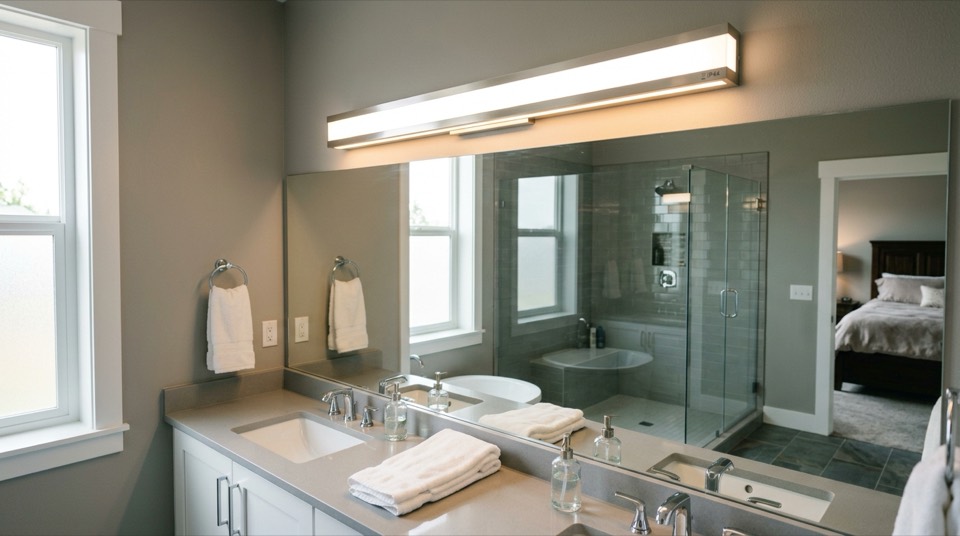
Before comparing finishes, figure out where the light needs to physically sit. A pair of vertical sconces flanking the mirror at roughly eye level lights a face far better than a single fixture mounted above it — that's true regardless of budget or brand. If the layout only allows for one fixture, a horizontal bar mounted across the top of the mirror is the next-best option. Buy the fixture that fits the mounting location you actually have, not the one that looks best in a product photo.
Match the location rating
This is the compliance-critical part. Every bathroom fixture is rated for a specific type of location:
- Damp-rated fixtures are the standard choice for a vanity fixture mounted a few feet from a shower or tub, where there's humidity but no direct spray.
- Wet-rated fixtures are required for anything mounted inside or directly above a shower enclosure or tub with a showerhead.
Brightness and color rendering
Look for a total output in the ballpark of 1,500 to 2,000 lumens for the vanity area, and a CRI (Color Rendering Index) of 90 or above. Manufacturers list lumens and CRI on the product page or packaging with increasing consistency — if a listing doesn't mention CRI at all, that's often a sign it's a lower-CRI bulb, since higher-CRI is usually called out as a selling point.
Color temperature
For task lighting at a mirror, 3000K to 4000K is the sweet spot — warm enough to be flattering, cool enough to render color and detail accurately for shaving, makeup, or skincare. Fixtures with tunable or adjustable color temperature give more flexibility, especially in a shared bathroom where preferences differ. See the dedicated FAQ below for more on this.
Dimmability and controls
If a dimmer switch is planned or already installed, confirm the fixture (or the bulbs going into it) is explicitly dimmer-compatible — not all LED vanity lights are, and mismatches can cause flicker or an audible buzz. Smart, app-controlled fixtures add tunable white light and scheduling but cost more and require a stable Wi-Fi connection to unlock their full feature set; a basic dimmer switch achieves most of the practical benefit for less money and less setup.
Style and finish
Once placement, rating, brightness, and color temperature are settled, finish and style become a matter of matching the rest of the bathroom's hardware — faucet finish, cabinet pulls, and mirror frame. Matte black, brushed nickel, and warm brass are the most common finishes across the brands below, and most lines offer the same fixture in two or three finish options.
Who should skip a DIY install
Anyone not comfortable working inside an electrical box, or whose bathroom needs a new switch location, a new circuit, or GFCI work to meet code, should skip the DIY route and hire a licensed electrician. Swapping a fixture on an existing electrical box with the power confirmed off at the breaker is a reasonable DIY task for someone comfortable with basic wiring; adding new wiring, moving a switch, or working near a wet zone is not — and most jurisdictions require a permit and licensed electrician for that scope of work regardless of skill level.
A note on ratings and reviews
None of the picks below include star ratings or review counts here, since we don't have a verified source for that data at this sub-hub. Use the manufacturer's specs (lumens, CRI, Kelvin, location rating) as the primary decision points, and check current owner feedback on the retailer page before buying.
Full Ranking, Reviewed

Best for Most standard-width bathroom mirrors needing balanced, even light
- Damp-location rated for typical vanity placement near (not inside) a shower
- Compatible with standard dimmable LED bulbs
- Available in multiple finishes including matte black and brushed nickel
- Wide finish selection to match existing bathroom hardware
- Straightforward swap onto an existing electrical box for most vanities
- Bulbs sold separately, so total lumens and CRI depend on the bulbs chosen
Verdict: A reliable, no-surprises vanity bar that covers the fundamentals well for most bathrooms.

Best for Budget-conscious remodels that still want a current finish
- Damp-rated for standard vanity locations
- Integrated or standard-socket LED options depending on model
- Compact profile that fits narrower mirrors
- Noticeably lower price point than premium designer lines
- Easy to find at major home-improvement retailers
- Lower stated CRI on some models, so check the listing before buying if accurate color rendering matters
Verdict: A solid budget pick for a straightforward vanity light swap without a big spend.

Best for Remodels where the mirror and light are being replaced together
- Built-in LED edge lighting instead of separate sconces
- Higher CRI rating aimed at accurate color rendering
- Dimmable with compatible controls
- Clean, minimal look with no separate fixture hardware
- Frees up wall space around the mirror
- Requires its own electrical connection, so it's a poor fit as a simple swap onto an existing sconce location
Verdict: A strong premium option specifically for a full mirror-and-lighting replacement, less so as a quick upgrade.
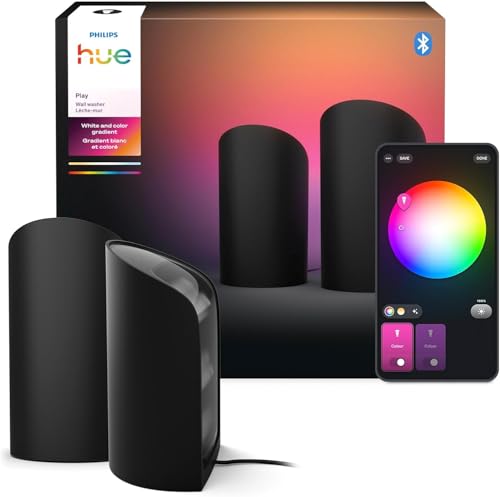
Best for Households that want tunable white light and app or voice control
- IP44 damp-location rating, purpose-built for bathroom use
- Tunable white light from warm to cool color temperatures via the Hue app
- Works with common smart-home ecosystems when paired with a Hue Bridge
- Genuinely useful color-temperature switching between grooming and relaxed evening light
- No separate dimmer switch needed to adjust brightness
- Higher upfront cost, and full functionality needs a Hue Bridge sold separately from the fixture
Verdict: The best choice for anyone who wants flexible color temperature without swapping bulbs, at a real cost premium.

Best for Smaller mirrors and powder rooms needing a compact single fixture
- Integrated LED, so no separate bulb purchase needed
- Slim profile suited to narrower mirrors and tighter wall space
- Selectable or fixed color temperature depending on model
- Simple single-fixture install above a smaller mirror
- Widely available and reasonably priced for an integrated-LED fixture
- Integrated LED means the whole fixture is replaced (not just a bulb) once it eventually dims or fails
Verdict: A practical, space-efficient choice for powder rooms and smaller vanities.
Frequently Asked Questions
Do I need a damp-rated or wet-rated light near my bathroom mirror?
A vanity fixture mounted a few feet from a shower or tub, with no direct water spray, generally needs a damp-rated fixture at minimum. Anything mounted inside or directly above a shower enclosure needs a wet-rated fixture. Check the specific product's listed rating rather than assuming any "bathroom light" is automatically rated for both.
How many lumens do I need for vanity lighting?
Most vanities are well lit with roughly 1,500 to 2,000 total lumens across the fixture, which is brighter than typical ambient lighting because task lighting for grooming needs more punch. Check the product listing for total lumen output rather than relying on bulb count alone, since wattage-equivalents vary between LED lines.
Can I install a bathroom vanity light myself?
Replacing a fixture on an existing electrical box, with power confirmed off at the breaker, is a reasonable DIY task for someone comfortable with basic wiring. Adding a new circuit, moving a switch, or wiring near a wet zone should go to a licensed electrician, since bathroom wiring is subject to code requirements like GFCI protection.
Do vanity lights need to be dimmable?
Dimming isn't required, but it's a popular upgrade because full brightness suits grooming tasks while a lower setting is more comfortable for a quick nighttime visit. If pairing an LED fixture with a dimmer switch, confirm compatibility first, since mismatched dimmer and LED combinations can flicker or buzz.