

Full-Spectrum LED Is the Standard Choice
For most houseplants, herbs, and seedlings grown indoors, a full-spectrum LED grow light is the most versatile option. "Full spectrum" means the fixture mixes red, blue, green, and usually a touch of far-red light rather than emitting only the narrow red and blue bands older grow lights relied on. That broader mix appears closer to natural white or warm daylight in the room, which makes it easier to judge true leaf color, spot early signs of pest or nutrient problems, and use the same fixture across a wider variety of plant types.
Older Red/Blue Lights Still Work, But Are More Limited
The pink or purple grow lights many people picture are typically red/blue-only fixtures. They can still support plant growth — chlorophyll does absorb strongly in those two bands — but they make visual plant-health checks harder and are generally better suited to a single plant type kept under consistent conditions than to a shelf holding a mixed plant collection.
Match Fixture Type to Your Setup, Not Just Spectrum
Spectrum is only half the decision. The right fixture type also depends on what and where you're growing:
- Quantum-board LED panels, built on diodes like Samsung's LM301B/LM301H series, suit grow tents or dedicated shelving where you want strong, even, adjustable coverage across a defined footprint.
- T5 fluorescent or slim LED strip fixtures suit seedling trays and narrow multi-shelf plant stands, where a low-profile fixture and gentle output near the leaves matter more than maximum brightness.
- Screw-in reflector grow bulbs suit a single plant or small cluster already sitting in an existing lamp, with no new mounting hardware needed.
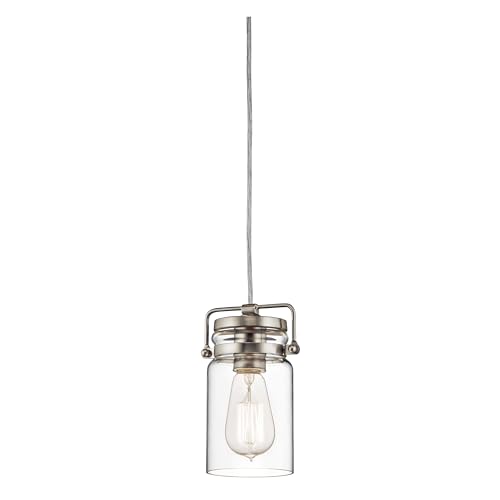
- Design-forward panel or pendant lights, from brands like Soltech, suit visible living spaces where the fixture needs to double as a piece of decor.
Check PPFD and Actual Wattage, Not Marketing Claims
Once you've settled on full spectrum and a fixture type, compare products using the manufacturer's PPFD chart (photosynthetic photon flux density, in μmol/m²/s) at your intended mounting height, along with the actual wattage the fixture draws at the wall. Treat "equivalent to a 1000W HPS" style claims with caution unless they're backed by a PPFD map — that kind of wattage-equivalent marketing isn't standardized and is a common way underpowered fixtures oversell themselves.
A Simple Starting Rule
If you're lighting a mixed shelf of ordinary houseplants, a full-spectrum LED panel or strip rated for your shelf's footprint, with a dimmer if possible, is the safest general-purpose choice. Reserve narrow red/blue lights or single screw-in bulbs for a single plant or a very specific, consistent setup, and check the PPFD rating against your plant's light needs rather than assuming any grow light will do the job.


