




The short answer
Low voltage landscape lighting runs on 12 volts stepped down by a transformer, which makes it safer to handle, simpler to install yourself, and cheaper to run. Line voltage lighting carries the full 120 volts from a home circuit, delivering more power for tall trees and long distances, but it needs buried conduit and, in most cases, a licensed electrician.
How each system works
The core difference is where the voltage lives.
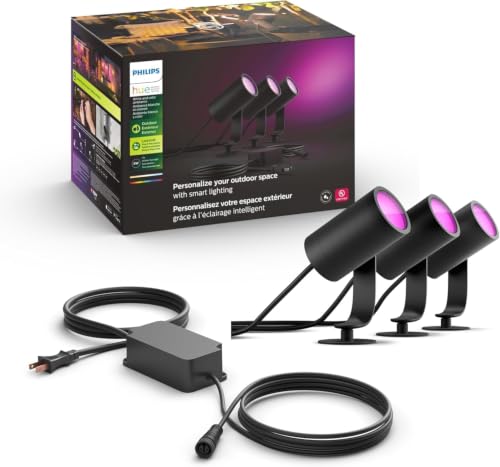
A low voltage system starts at a transformer plugged into a weatherproof outdoor outlet. The transformer drops household 120V down to 12V (some systems use 15V or 24V on larger runs). From there, thin direct-burial cable carries that safer current to each fixture. Because the voltage is low, you can lay cable in a shallow trench, connect fixtures with simple push or pierce connectors, and rearrange the layout yourself over a weekend.
A line voltage system carries the full 120V from a dedicated circuit all the way to the fixtures. There is no transformer in the lighting path. That full voltage has to travel through conduit buried to code depth, with weatherproof junction boxes, proper grounding, and GFCI protection.
Safety and electrical code
This is the biggest practical divide.
- Low voltage (12V): The current is low enough that a brief accidental contact is unlikely to cause serious injury, which is why homeowners are generally permitted to install these systems themselves.
- Line voltage (120V): This is the same power that runs your appliances, now sitting in a wet outdoor environment. Codes typically require GFCI protection, burial at a specified depth (commonly around 18 inches for conduit, though your local code is the authority), weatherproof boxes, and permitted, inspected work.
Installation and flexibility
Low voltage wins on ease and adjustability. You can dig a shallow trench, or even tuck cable under mulch, tap fixtures anywhere along the run, and move lights next season when the plants fill in. That flexibility suits gardens that change over time.
Line voltage is far less forgiving. Once conduit is trenched and set, moving a fixture means real digging and rewiring. It rewards careful up-front planning and permanent layouts more than experimentation.
Cost to buy and run
Up front, low voltage fixtures and transformers are usually less expensive, and because you can do the labor yourself, you avoid an electrician's bill. Line voltage carries higher material costs (conduit, boxes, thicker copper) and almost always includes professional installation.
Running costs favor low voltage as well. The transformer draws a little power converting voltage, but 12V LED fixtures sip electricity. Line voltage LED fixtures are efficient too, so the day-to-day gap is smaller than it once was; the real savings show up in installation, not the monthly bill.
Brightness, reach, and voltage drop
Line voltage's advantage is raw power over distance. Because 120V loses proportionally less over long wire runs, it can push light to tall trees, distant property corners, and large facades without the dimming problem low voltage runs can suffer.
That dimming problem is voltage drop. On a long low voltage cable, fixtures farthest from the transformer receive less than 12V and glow dimmer than the ones nearby. You manage it by using a thicker gauge cable, splitting the load across multiple cable runs, using a hub or T-method wiring layout, or tapping a higher-voltage terminal (like 15V) on a multi-tap transformer. For most residential yards, good design keeps voltage drop invisible.
Where each one fits
Choose low voltage when:
- You want to install and adjust the system yourself
- Your yard is a typical residential size
- You are lighting paths, garden beds, steps, and modest trees
- You want lower up-front and running costs
Choose line voltage when:
- You need to illuminate very tall trees or large, distant structures
- You want maximum brightness with no voltage-drop worries
- The layout is permanent and carefully planned
- A licensed electrician is doing the work anyway
The practical bottom line
For the vast majority of homeowners, low voltage is the sensible default: safer, cheaper, and endlessly adjustable, with LED fixtures bright enough for paths, beds, and accent lighting. Line voltage earns its place on big properties, tall canopy trees, and commercial-scale projects where reach and power matter more than DIY convenience. Many yards even blend the two, using line voltage for a few powerful uplights and low voltage for the fine detail work closer to the house.


