


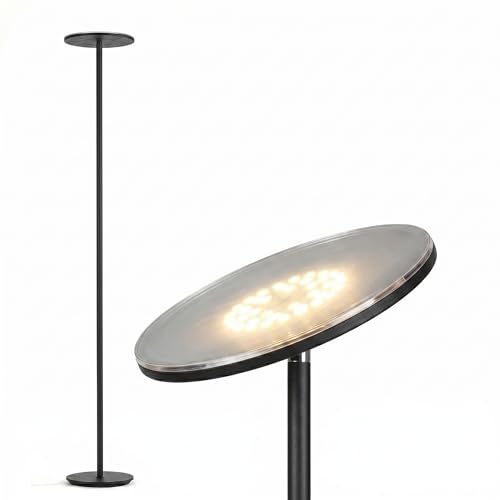
A layered bedroom lighting layout combines three roles: ambient light for overall glow, task light for reading and dressing, and accent light for mood. Put each role on its own switch or dimmer so the room shifts from bright and functional to soft and restful without ever leaning on a single harsh ceiling fixture.
Start With the Three Layers
Good bedroom lighting is rarely about one bright fixture. It is about controlling mood and function separately. Think in three layers:
- Ambient (general): the soft, even light that fills the room. Ceiling fixtures, a fan light kit, or wall-bounced light all work.
- Task: focused light for reading in bed, applying makeup, or finding clothes in a closet.
- Accent: low, decorative light that adds warmth and depth once the overheads are off.
Ambient: The Base Layer
Start with gentle, glare-free general light. A flush or semi-flush ceiling fixture, or the light kit on a ceiling fan, usually covers a standard bedroom. The goal is even fill without hot spots.
A few pointers:
- Aim for a warm color temperature, roughly 2700K to 3000K, so the room feels restful rather than clinical.
- Choose fixtures that diffuse the bulb behind frosted glass or fabric so you are never staring at a bare LED from bed.
- Put ambient light on a dimmer. Being able to drop it to 20 to 30 percent at night is one of the biggest quality-of-life upgrades in a bedroom.
Task: Reading and Getting Ready
Task light is where most bedrooms fall short. Overhead light alone throws shadows onto a book or a face in the mirror.
Bedside reading
- Wall-mounted swing-arm lamps or pendants that hang beside the bed free up the nightstand and put light where the page is.
- Table lamps work too; aim for a shade that sits near eye level when you are propped up, so light falls on the page, not your eyes.
- A warm, moderate output is plenty for reading. If you share the bed, two independently switched lights let one person read while the other sleeps.
- Light a mirror from the sides rather than straight above to avoid the harsh downward shadows that overhead-only lighting creates.
- A higher CRI (color rendering index) of 90 or above helps you judge clothing colors and skin tones accurately.
Accent: Mood and Depth
Accent light is optional, but it is what makes a bedroom feel finished. Once the overheads are off, small pools of low light keep the room from going flat and dark.
Ideas that work well:
- LED strip tape hidden under a floating nightstand, behind a headboard, or along the top of a wardrobe for a soft wash.
- A small table lamp on a dresser used as a nightlight-level glow.
- Picture or cove lighting to highlight art or architecture.
Switching, Dimming, and Controls
Layering only pays off if you can control the layers independently. A single switch that turns everything on at once defeats the purpose.
Practical setups:
- Put ambient on the wall switch by the door and add a dimmer.
- Keep bedside task lights on their own local switches or smart plugs so you can turn them off from bed.
- Use warm-dimming bulbs or fixtures where possible; they shift to a cozier tone as you dim, mimicking candlelight.
- Smart bulbs or a smart switch let you set a bright morning scene and a dim wind-down scene.
Common Bedroom Lighting Mistakes
- Relying on one central fixture. It creates flat, shadowy light and no mood control.
- Skipping dimmers. Full brightness is rarely what you want at 10 p.m.
- Cool color temperatures. 4000K and up can feel like an office. Save cool white for closets or task zones if you like it there.
- Bulbs left visible. Bare LEDs cause glare from a lying-down position; always diffuse or shade them.
- Forgetting the ceiling fan light. If you use a fan, plan its light kit as part of the ambient layer, not an afterthought.
A Simple Layout That Works
For a typical bedroom, a reliable recipe looks like this:
That gives you a bright setting for cleaning or folding laundry, a medium setting for relaxing, and a soft setting for winding down, all from the same room.
Safety note
If you are adding a hardwired fixture, running a new circuit, or installing wall sconces that tie into house wiring, turn off power at the breaker first and confirm it is off. For any hardwiring, new circuits, or work you are unsure about, hire a licensed electrician. This article is general information, not a substitute for professional electrical advice.


