



The short answer
Smart bulbs are best for rooms with one or two fixtures where you want color, tunable white, and control of each individual bulb. Smart switches are better for rooms with many bulbs or existing standard fixtures, giving you whole-fixture control from the wall while the physical switch keeps working for everyone.
How each one works
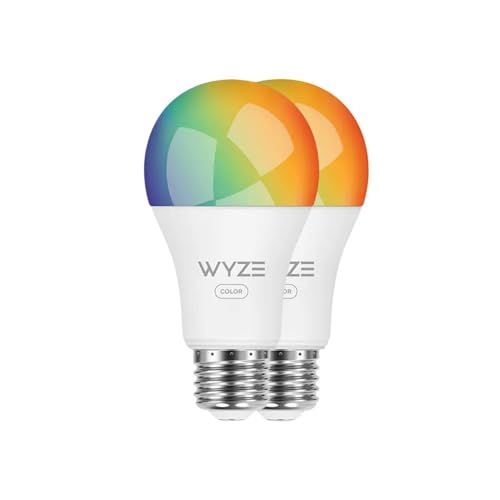
A smart bulb contains its own radio and controller. It screws into a normal socket and connects to Wi-Fi, Bluetooth, or a hub, so each bulb is individually addressable. You control brightness, and often color and warmth, from an app or voice assistant.
A smart switch replaces the wall switch itself. The bulbs stay ordinary "dumb" bulbs, but the switch controls power and dimming to the whole fixture intelligently. Instead of controlling one bulb, you control everything wired to that switch.
The cost math
This is often the deciding factor.
- Smart bulbs cost more per bulb but nothing to install; you just screw them in. In a lamp or a fixture with one bulb, that is cheap and simple.
- Smart switches cost more per unit and require wiring, but a single switch can control six recessed lights or a five-bulb chandelier at once.
The "dumb switch problem"
Smart bulbs have one classic weakness. If someone flips the wall switch off, the bulb loses power and drops off the network, so app and voice control stop working until the switch is turned back on.
Households solve this by leaving the switch permanently on and training everyone to use the app or voice, or by adding a smart switch cover or smart button. It works, but it takes a change in habit. Smart switches avoid the problem entirely because the switch is the smart part.
Wiring and the neutral wire
Smart bulbs need no wiring at all, which is their biggest advantage for renters and quick setups.
Smart switches do need wiring, and many require a neutral wire in the switch box. Older homes sometimes lack a neutral at the switch, though some no-neutral smart switches exist. Replacing a switch also means working with line voltage.
Safety note: Before replacing any switch, turn off power at the breaker and confirm it is off with a tester. If your box has no neutral, unfamiliar wiring, or you are unsure, hire a licensed electrician. This article is general information and not a substitute for a licensed electrician.
Color and tunable white
If you want colored light or the ability to shift from warm to cool white, smart bulbs are the clear choice. That capability lives in the bulb.
Smart switches control ordinary bulbs, so the light quality is whatever bulb you install. You can pair a smart switch with tunable bulbs, but you lose per-bulb, independent control.
Renters vs owners
- Renters usually prefer smart bulbs. Nothing is wired, nothing is permanent, and the bulbs move with you.
- Owners planning a lasting setup often prefer smart switches for whole-room control, a normal wall experience for guests, and a cleaner long-term system.
Dimming quality
Both dim well, but differently. Smart bulbs dim the LED directly and smoothly across a wide range. Smart dimmer switches dim the bulbs wired to them, and results depend on pairing a dimmable bulb with a compatible dimmer to avoid flicker or buzz.
Which should you choose?
Pick smart bulbs when:
- The fixture or lamp has one or two bulbs
- You want color or tunable white
- You rent, or want zero wiring
- You want per-bulb scenes
Pick smart switches when:
- Several bulbs share one switch
- You want the wall switch to work normally for everyone
- You are keeping your existing fixtures
- You want a permanent, whole-room solution
The practical bottom line
There is no universal winner. Use smart bulbs in lamps, single fixtures, and rooms where color matters. Use smart switches in kitchens, hallways, and any room where one switch feeds many bulbs. Many homes mix both, and that blend usually gives the best balance of control, cost, and everyday convenience for real family living.


