

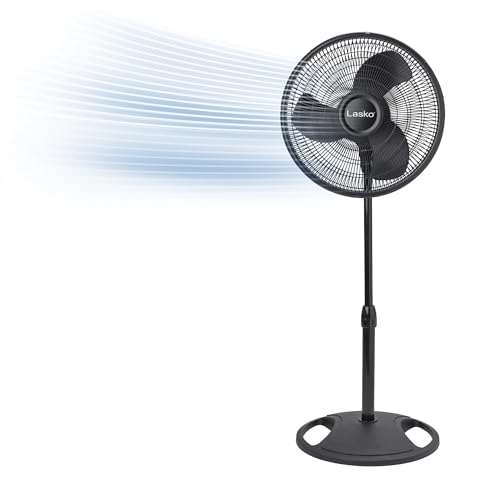
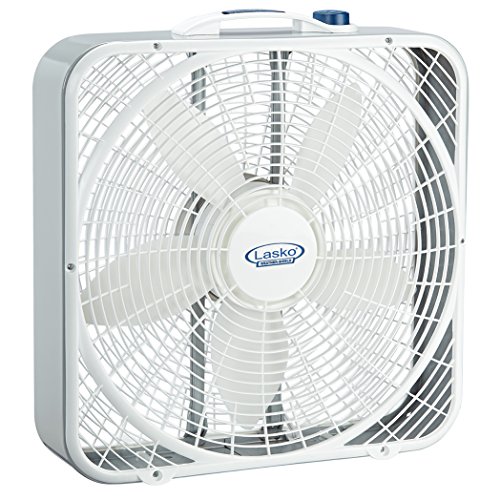
Tower Fans vs. Pedestal Fans
Neither style is objectively superior — they trade off different strengths, and the right pick
depends on the room.
Where tower fans win
- Footprint. A typical tower fan base runs 8-12 inches across, versus a pedestal fan's wider
- Oscillation coverage. Because the outlet grille runs the full height of the unit, tower fans
- Quiet operation at low/medium speed. Many tower fans, especially those with a dedicated sleep
- Aesthetics. A slim vertical column tends to blend into a room better than a pedestal fan's
Where pedestal fans win
- Airflow per dollar. Pedestal fans generally use larger, simpler blades that can move more
- Cleaning and repair. Pedestal fan blades and guards usually pop off for a full wash, while
- Height and angle adjustment. Many pedestal fans adjust in height and tilt up or down, aiming
- Reach. For cooling a large, open room or moving air across a long distance, a pedestal fan's
How to decide
Pick a tower fan if floor space is tight, you want wide horizontal coverage, or quiet nighttime
operation matters most. Pick a pedestal fan if you're cooling a larger open area, want the lowest
cost per CFM, or prefer being able to fully disassemble the fan for cleaning. Many households end
up with one of each — a tower fan in the bedroom and a pedestal fan in the living room or garage.
Whichever you choose, treat it as a standard plug-in appliance: check the cord and plug for damage
before use, don't run it on a damaged extension cord, and if you're wiring it into a switched
outlet or new circuit rather than simply plugging it in, turn off power at the breaker first and
have a licensed electrician handle the wiring work.
