

Air Circulator vs. Fan: What's Actually Different
Both an air circulator and a standard fan spin blades to move air, but they're built
around different goals, and that difference shows up in the shape of the housing, the
blade design, and how each is meant to be used.
What a standard fan is built for
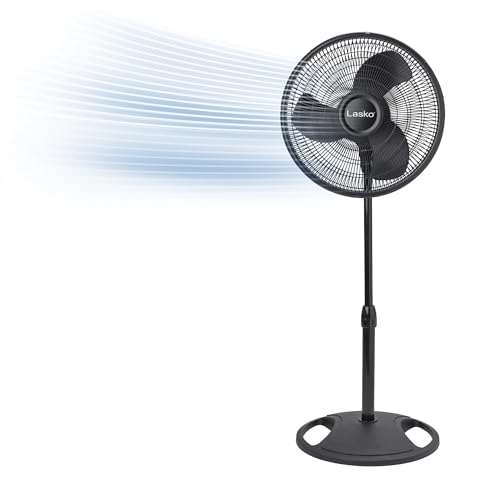
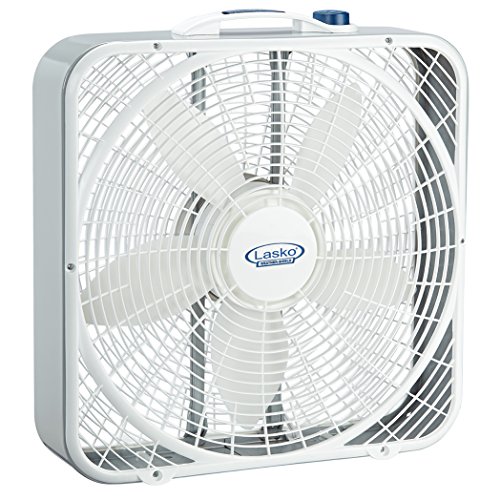
A box, pedestal, or tower fan is designed to push a wide column of air directly at
whoever is standing or sitting in front of it. The blades are relatively flat, the
housing is wide, and airflow spreads out and weakens quickly with distance — most
standard fans lose meaningful cooling effect past about 8 to 12 feet. That's fine for
personal cooling at a desk or on a couch, but it does very little to change the air
temperature across an entire room.
What an air circulator is built for
An air circulator, like Vornado's vortex-design models, uses a narrower housing and
deeper-pitched blades to concentrate airflow into a tighter, faster-moving jet rather
than a wide, weak column. Aimed diagonally across an open room, that jet can travel 30,
50, even 70-plus feet, pulling the room's entire air volume into a slow-moving,
circulating pattern — hot air near the ceiling gets pulled down, cooler air near the
floor gets pulled up, and the whole room evens out. Many circulators are also
deliberately built without oscillation, since a fixed, well-aimed jet does the mixing
job better than a fan sweeping back and forth.
The practical difference in your home
- Standard fan: best when you want direct airflow on your body — sitting at a desk,
- Air circulator: best when a room has an uneven temperature — a stuffy upstairs
CFM isn't a fair comparison across the two
Because circulators are measured and marketed around throw distance rather than raw CFM
at close range, comparing spec sheets side by side can be misleading. A circulator rated
for a long throw distance will out-perform a similarly priced box fan at whole-room
mixing even if their close-range CFM numbers look similar on paper. If a whole room
needs evening out, prioritize the manufacturer's stated throw distance over a raw CFM
number; if you just need direct personal airflow, a standard fan's wider, gentler stream
is often more comfortable up close.
Noise and safety considerations
Circulators built for long throw distances generally run louder at high speed than a
comparable standard fan, since they're pushing air harder and farther. Both categories
typically use an exposed or lightly guarded blade, so households with small children or
pets should check grille spacing on either type — or consider a bladeless fan instead,
which removes the exposed-blade question entirely, though at the cost of the long-throw
performance a circulator is built for.
