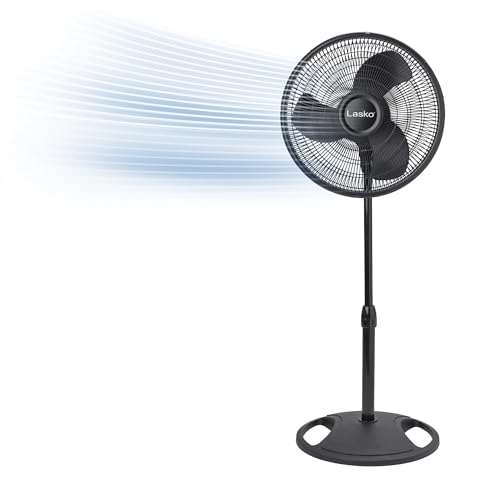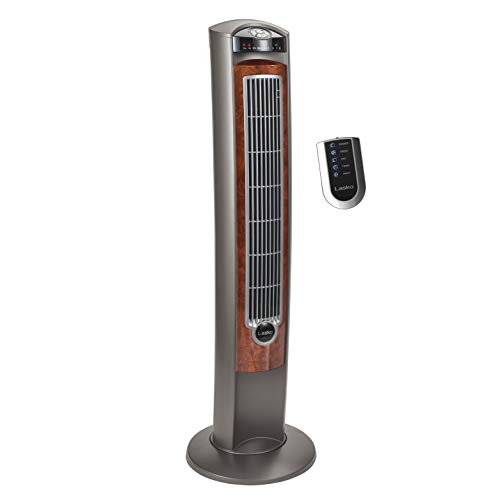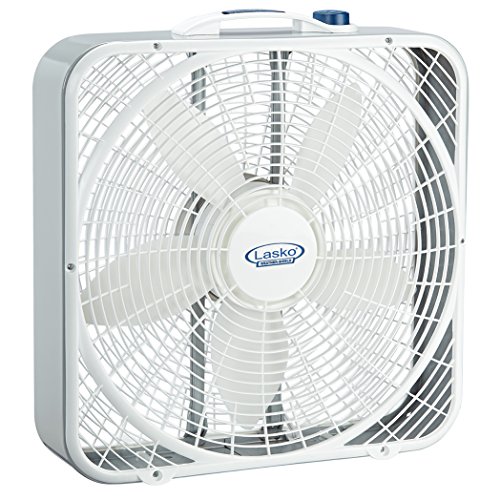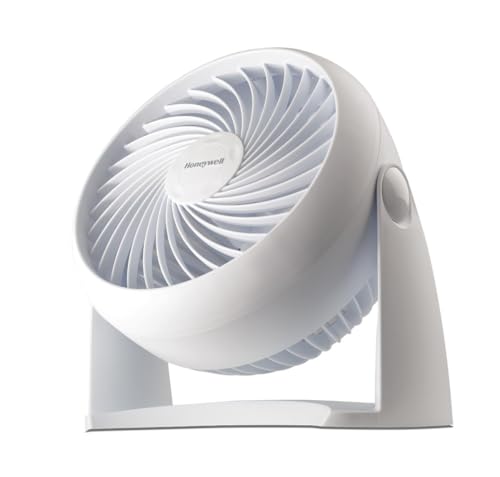

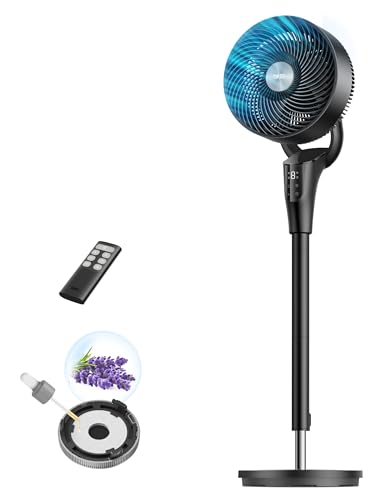


An air circulator is built to move the entire volume of air in a room in a circular pattern, mixing it thoroughly, while a regular fan mostly pushes a direct stream of air at whatever is in front of it. Circulators use a focused, high-velocity beam to reach across a room; regular fans prioritize a wide, gentle breeze.
The Core Difference: Mixing vs Blowing
The simplest way to understand it: a regular fan cools you, and an air circulator cools the room.
- A regular fan (pedestal, table, or box) creates a broad, relatively low-velocity breeze aimed in one direction. Sit in front of it and you feel great; step to the side and the effect fades quickly. It is a personal-comfort device.
- An air circulator shapes the air into a tighter, faster-moving column that travels much farther, hits the far wall, and rolls back - setting the whole room's air into a rotating loop. The goal is even temperature and no stagnant pockets, not a breeze on your face.
How the Airflow Differs
Beam Shape and Reach
Air circulators often use a shrouded, aerodynamic grille and a spiral or focused nozzle to concentrate the airflow. That lets the stream stay coherent over a long distance instead of dissipating a few feet out. Regular fans spread their air out sooner, so their useful range is shorter.
What CFM and Velocity Mean Here
Two fans can move a similar volume of air (measured in CFM, or cubic feet per minute) yet feel completely different. A circulator trades a wide, soft output for a narrow, fast one, which is why it reaches across a room. A regular fan spreads similar volume over a wider, slower front you feel up close.
Oscillation
Both can oscillate, but they use it differently. A regular fan oscillates to spread its comfort breeze across seating. A circulator may oscillate, or be aimed at a wall or ceiling on purpose, to bounce air and stir the whole room rather than target a person.
When Each One Shines
Reach for a regular fan when:
- You want to feel a direct breeze while sitting, working, or sleeping.
- Personal comfort in one spot is the goal.
- You prefer gentle, wide airflow rather than a concentrated jet.
Reach for an air circulator when:
- You want to even out temperature across a whole room - no hot corner, no cold corner.
- You are helping an AC or heater distribute conditioned air so the thermostat is not fighting stratified layers.
- You want to speed up ventilation or help a room dry out.
- You want air moving in a room where you are not sitting directly in the stream.
Do You Feel Cooler with a Circulator?
You can, but it is a different sensation. A regular fan gives an immediate, strong breeze on your skin. A circulator keeps the entire room's air gently moving, so the whole space feels fresher and more consistent rather than delivering a blast to one seat. Some people prefer the circulator's whole-room effect; others miss the direct wind.
Remember that neither device lowers the actual air temperature. Both cool people through evaporation from the skin. A circulator's real advantage is eliminating stuffy, stagnant zones and making a room feel uniform from wall to wall.
Efficiency and Practical Perks
- Helping your HVAC: Circulators are good at pushing warm ceiling air back down in winter and mixing cool AC air in summer, which can make a system feel more effective.
- Footprint: Many circulators are compact and desk-sized yet punch above their size in reach.
- Noise: A high-velocity circulator can be louder at full tilt because it is moving air fast; many run quietly on lower settings.
Which Should You Buy?
If your only goal is a breeze on your body while you sit at a desk or lie in bed, a regular fan does that well and often costs less. If you want a room that feels evenly comfortable, want to support your heating and cooling, or want to clear out stale air, an air circulator is the better tool. Plenty of homes benefit from having both: a regular fan for personal comfort and a circulator for whole-room air movement.
Safety Notes
Both are plug-in appliances, so there is no wiring involved in normal use. Keep either on a stable surface, route cords away from walkways and water, and clean the blades and grilles regularly - a circulator's tighter shroud can collect dust that quietly cuts performance. Make sure grille spacing is safe around children and pets.
If you are considering any permanently installed air-moving equipment, such as a whole-house or hardwired ventilation fan, treat it as separate work. Turn off power at the breaker and hire a licensed electrician for hardwiring, new circuits, or anything you are unsure about. This site provides general information and is not a substitute for a licensed electrician.
Bottom Line
A regular fan blows air at you; an air circulator sets the whole room's air in motion. Choose the regular fan for direct personal cooling and the circulator for even, whole-room comfort and better HVAC distribution - and consider owning both if you want the strengths of each.