

The short answer
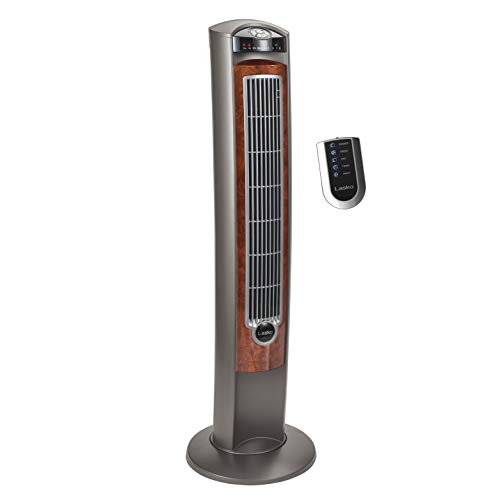
You can clean the inside of most tower fans without unscrewing anything. With the fan unplugged, blow compressed air through the vents to dislodge the dust on the internal impeller, then vacuum the debris out of the grilles and wipe the housing. A can of compressed air, a vacuum with a brush attachment, and a microfiber cloth are all you need.
Why tower fans trap so much dust
Tower fans pull air in through a tall intake grille on the back and push it out a narrow front slot. That air carries household dust straight onto the internal impeller and housing, where it cakes over time. Because the housing is not designed to open, the dust you cannot see is usually the reason a fan feels weaker, smells musty, or sounds rougher than when it was new.
What you will need
- A can of compressed air (or an electric air duster)
- A vacuum with a soft brush attachment
- A soft brush or a clean, dry paintbrush
- A microfiber cloth
- Optional: a few cotton swabs and a slightly damp cloth for the exterior
Step by step
1. Unplug the fan. Always. Never clean or blow air into a fan that is plugged in, even if it is switched off.
2. Take it somewhere ventilated. This job kicks up a surprising amount of dust. Work outside, in a garage, or over a drop cloth so you are not just redistributing it around the room.
3. Vacuum the grilles first. Run the soft brush attachment over the intake grille on the back and the output slot on the front. This removes loose surface dust before you blow the caked-on layer loose.
4. Blow compressed air through the intake. Aim the nozzle into the rear intake grille and work it across the full height of the fan in short bursts. Keep the can upright and use short bursts so it does not get too cold or spit propellant. You will see dust push through and out the front.
5. Blow air back through the front slot. Reverse direction and send a few bursts into the front output slot. This dislodges dust from the other side of the impeller that the intake pass could not reach.
6. Rotate and repeat. Alternate between the intake and exhaust a few times, vacuuming between passes, until little or no dust comes out.
7. Spin the impeller gently, if you can reach it. Some tower fans let you nudge the internal cylinder through the grille with a soft brush or a cotton swab. Rotating it a little exposes new sections of blade to your air bursts. Never force it.
8. Wipe the housing. Use a dry microfiber cloth on the exterior, and a slightly damp one for stubborn grime, then dry it. Keep moisture away from the vents, the control panel, and the motor.
9. Let it dry and test. If you used any damp cloth, let the fan sit until fully dry, then plug it in and run it on low. You should hear smoother operation and feel stronger airflow.
A no-compressed-air method
If you do not have compressed air:
- Use a hair dryer on the cool, no-heat setting to blow dust through the vents. Never use heat, which can warp plastic and stress the motor.
- Wrap a thin microfiber cloth around a ruler or butter knife and slide it gently between the grille slats to wipe internal surfaces you can reach.
- Use the vacuum's crevice tool directly against the intake to pull dust out rather than blowing it through.
How often to clean
- Every 2 to 4 weeks: a quick vacuum of the grilles during heavy-use season.
- Every 1 to 2 months: a full compressed-air blow-out.
- More often if you have pets, run the fan constantly, or live somewhere dusty.
What not to do
- Do not spray water, cleaners, or aerosols into the vents. Liquid inside the housing can reach the motor and wiring.
- Do not pry the housing open unless the manual specifically shows how; you risk breaking clips and voiding any warranty.
- Do not oil the motor. Most tower fan motors are sealed and need no lubrication.
- Do not run the fan while cleaning or immediately after using any dampness.
Safety note
Keep it simple and safe: the fan must be unplugged for the entire cleaning, and it must be completely dry before it goes back on power. If the fan smells like burning, sparks, or the motor sounds like it is straining even after cleaning, stop using it. That points to an electrical or motor fault, not a dust problem, and the unit should be repaired or replaced rather than opened up.
Bottom line
A tower fan does not need to be disassembled to get clean. Unplug it, blow compressed air through the intake and exhaust while vacuuming the grilles, wipe the outside, and let it dry. Ten minutes every month or two keeps the airflow strong and the motor running cool.