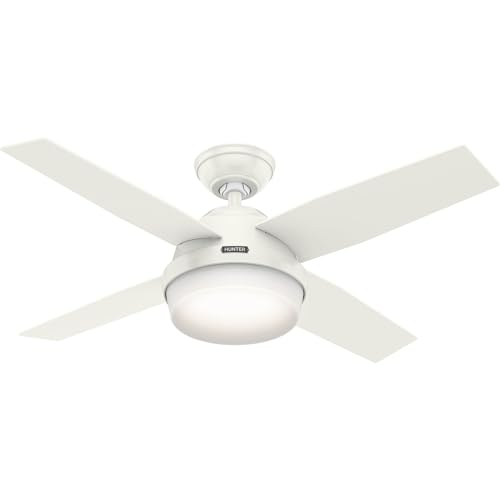


Replacing a Light Fixture With a Ceiling Fan
Swapping a ceiling light for a ceiling fan is one of the most requested upgrades, and it's entirely doable — but the electrical box underneath the old fixture is almost always the sticking point.
Why the existing box usually isn't enough
A standard light-fixture box, plastic or metal, is generally rated to support only about 50 pounds of static weight and isn't designed for the ongoing vibration a spinning fan creates. The National Electrical Code (NEC 314.27) requires a listed, fan-rated box wherever a ceiling fan will be installed, and a compliant box is stamped with its maximum supported fan weight — commonly 35 or 70 pounds. Hanging a fan from an unrated box risks the box pulling loose from the ceiling over time, which is both a falling hazard and a fire risk if wiring gets stressed.
How to upgrade the box
With the power off at the breaker and confirmed dead with a voltage tester, remove the old fixture and box. From there you have two common options:
- Retrofit bar-hanger box — installed entirely from below through the existing ceiling hole, with a bar that expands to grip the joists on either side. No attic access required, which makes this the go-to option for most homeowners.
- Brace-and-box kit — mounted directly to a joist from above, used when you have attic or crawlspace access and want the most rigid support.
What about the wiring?
If the light fixture was on a simple single-pole switch, you can usually reuse the same hot, neutral, and ground wires for the fan. If you want the fan and a light kit controlled independently, you'll need a second switched hot — either an existing 3-wire switch leg (common in homes originally wired for a fan/light combo) or a new one run by an electrician.
When to bring in a professional
If there's any doubt about the box's rating, if the ceiling has no attic access and the retrofit box won't seat properly, or if you discover unfamiliar or aging wiring while you're in there, stop and call a licensed electrician rather than guessing. Some local codes also require a permit or inspection when a box is being changed, so it's worth a quick check with your building department first.