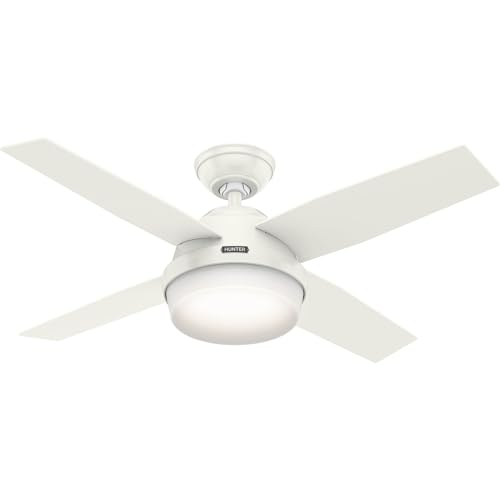


Start with the Manufacturer's Compatibility List
Most fan manufacturers design light kits to match specific fan models or model families, using a matching mounting bracket and a wiring connector built into the fan's switch housing. If your fan was sold with a 'light kit adaptable' or 'light kit compatible' designation, the manufacturer's website or manual will usually list which specific light kits fit it. A light kit from a different brand, or even a different model line from the same brand, will often not physically mount or wire correctly, even if it looks similar.
Fans with No Light Provision
Some fans, particularly older models or fans built purely for airflow (common in garages, workshops, and some outdoor settings), have no wiring pathway or mounting point for a light kit at all. Retrofitting a light onto one of these is not a simple accessory purchase; it would mean modifying the fan's internal wiring and housing, which most manufacturers do not support and which can void the fan's listing and warranty.
Universal Light Kit Adapters Have Limits
There are aftermarket 'universal' light kit adapters on the market that clamp onto the fan's downrod or center housing. These can work as a workaround, but they typically add a fixed, non-integrated light rather than the clean, flush look of a manufacturer-matched kit, and compatibility still depends on the specific fan's housing shape and available wiring. Read the adapter's own compatibility notes carefully, since 'universal' does not mean it fits every fan.
The Wiring Still Has to Support It
Even when a light kit is designed for your fan, adding one means working inside the fan's switch housing and connecting it to the household wiring feeding the fan. Before doing any of this: turn off power to the circuit at the breaker, not just at the wall switch, and confirm the circuit is dead with a voltage tester. Confirm the existing electrical box is fan-rated and that the circuit can handle the added load. If you are unsure about any part of this, including whether your wiring or box is set up correctly, hire a licensed electrician rather than guessing; miswiring a fan and light combination is a real fire and shock risk, not just an inconvenience.
When to Buy a New Fan Instead
If your current fan has no light provision, is an older or off-brand model with no listed light kit, or would require a universal adapter that compromises the look you want, it is often more practical to replace the fan with one that ships with an integrated light kit from the factory. This avoids compatibility guesswork and gives you a light kit that was actually engineered and tested with that fan's motor and wiring.
Bottom Line
Adding a light kit works reliably when the fan was designed for one and you use the manufacturer's matching kit. Outside of that, you are dealing with universal adapters of varying quality or a wiring project that should go to a licensed electrician if you are not fully confident doing it yourself.