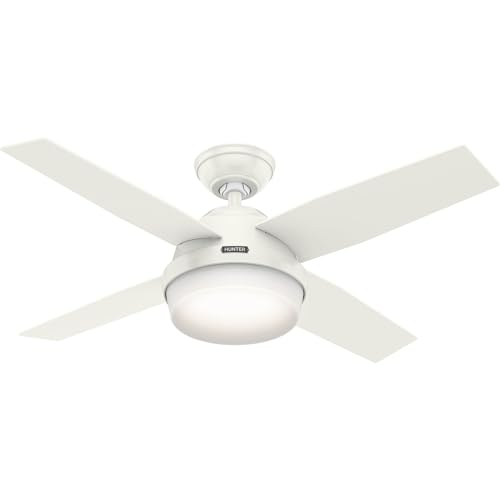


Replacing Ceiling Fan Blades
Ceiling fan blades are one of the easiest components to replace because the job is almost entirely mechanical — no wiring is involved in a standard blade swap. Blades typically wear out cosmetically (faded veneer, warped MDF, chipped finish) long before the motor itself fails, which makes a blade-only replacement a cost-effective refresh.
What to check before buying
Blade span. This is the total diameter the blade set sweeps when installed, measured tip to tip across the full circle, not a single blade's length. Buying the correct span matters for airflow — a mismatched span can throw off the fan's balance and its rated coverage area.
Arm bolt pattern. Blades attach to blade arms (also called blade irons), which bolt to the motor. Even if a new blade set is the "right" span, it won't install correctly unless its mounting holes line up with your fan's arm spacing. This is model-specific, so cross-reference your fan's brand and model number, not just its size class.
Number of blades. Some fans use 3 blades, others 4, 5, or more. Replacement sets are sold to match the original count — mixing counts isn't standard and can affect balance.
Moisture rating. If the fan is installed on a covered porch, patio, or in a bathroom, only use blades with a damp or wet UL listing. Standard indoor blades exposed to humidity or direct weather will warp, delaminate, or fade prematurely, and a wet-rated fan with indoor-only blades no longer meets its overall safety rating.
How the swap works
When it's not a simple swap
If you can't find a compatible blade set for your exact fan model, or the motor's arm hub design is proprietary and no aftermarket blades fit, it may be more practical to replace the whole fan rather than search indefinitely for an exact match. And if the wobble persists after a proper blade swap and rebalancing, that can point to a motor or downrod issue rather than the blades themselves, which may need a closer inspection.