

The Short Answer
No, not in the way an air conditioner does. A ceiling fan doesn't remove heat from a room or change the temperature of the air in it. What it changes is how that air feels against your skin, and that distinction matters for how — and when — you should actually use one.
What's Really Happening
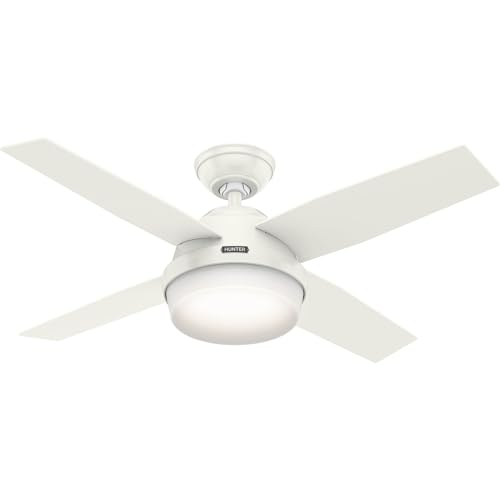
Skin cools itself partly through evaporation of moisture and partly through convection, both of which speed up when air moves across it. A ceiling fan set to summer mode (counterclockwise, pushing air down) increases that air movement, so heat leaves your skin faster and you feel cooler. This is the same wind-chill principle that makes a 75°F day with a breeze feel more pleasant than a still, humid 75°F day. ASHRAE's thermal comfort research treats elevated air speed as one of several factors — alongside temperature, humidity, and clothing — that determine how comfortable a person feels, separate from the actual air temperature in the room.
If you put a thermometer directly under a running ceiling fan, it will read the same temperature whether the fan is spinning or not. The fan hasn't cooled the air; it has only changed how quickly your body loses heat to that air.
Why This Means You Should Turn Fans Off When Rooms Are Empty
Because the cooling effect only exists on skin that's in the moving air, a fan running in an empty room provides no benefit to anyone — it's just consuming electricity to move air around. This is the reasoning behind ENERGY STAR's guidance that ceiling fans should be turned off when you leave a room, unlike a thermostat-controlled air conditioner or heater, which continues doing useful work whether or not anyone is present.
Where Fans Genuinely Help
None of this means ceiling fans are useless for managing comfort and energy costs — the benefit is just indirect. The U.S. Department of Energy notes that when a room has people in it, a correctly-set fan can let you raise the summer thermostat setting by around 4°F while feeling just as comfortable, which reduces how often the air conditioning compressor has to run. Over a cooling season, that adds up to a real reduction in energy use, even though the fan itself never lowered the temperature.
In winter, the same logic works in reverse: a fan on its low-speed, clockwise setting redistributes warm air that has collected near the ceiling, which can make a heated room feel more evenly warm without raising the thermostat at all.
The Practical Takeaway
Think of a ceiling fan as a comfort tool that works with your heating and cooling system, not a substitute for it. Run it — in the correct seasonal direction — only in rooms that are occupied, pair it with sensible thermostat settings, and switch it off when you leave, since an empty room gets no benefit from moving air it can't feel.