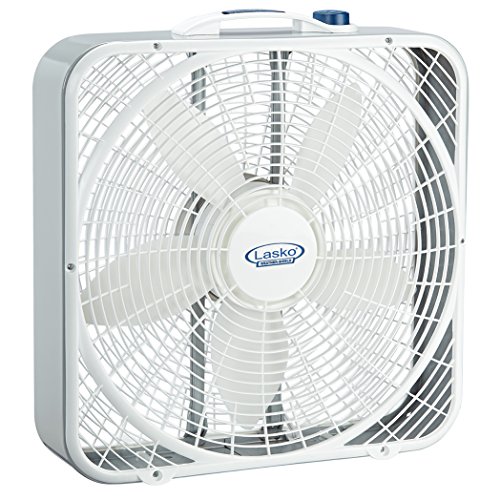
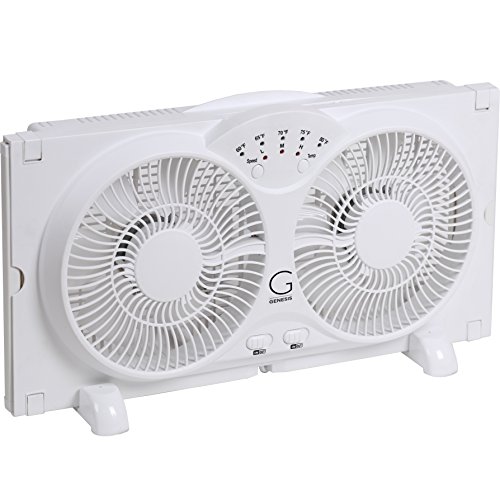
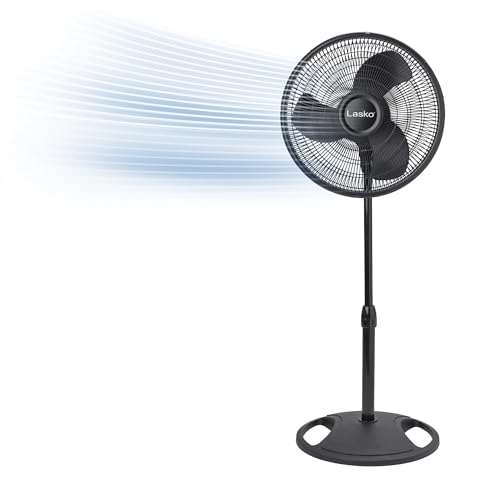
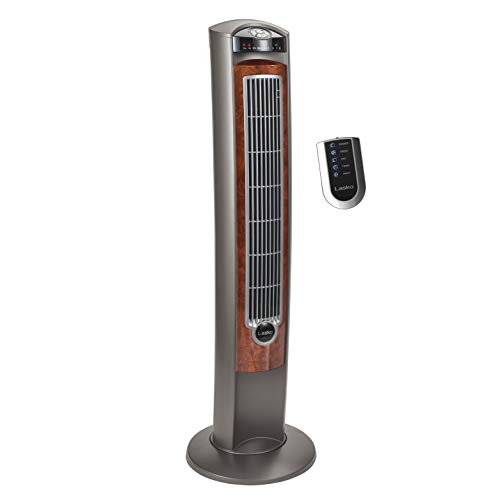
To cool a room with a box fan, place it in a window facing out during the cooler evening hours to push hot air outside, or aim it across the room toward you for a direct breeze in the heat of the day. The trick is matching the fan's direction to the temperature outside versus inside.
Two Jobs a Box Fan Can Do
A box fan does not lower the actual air temperature the way an air conditioner does. It moves air. That air movement helps in two distinct ways, and knowing which one you need at a given moment is the whole game.
Cooling you (the person): Moving air speeds up evaporation from your skin, which feels cooler even though the thermometer does not change. This is the "wind chill" effect indoors.
Cooling the room (the air): By exhausting hot indoor air and pulling in cooler outdoor air, you can actually drop a room's temperature - but only when the outside air is cooler than the inside air.
When to Blow Air In vs Out
The single most useful habit is checking whether it is warmer inside or outside.
Outside cooler than inside (evening, night, early morning): Point the fan OUT of the window to exhaust hot indoor air. Crack a window on the opposite side of the room or house so cooler air is drawn in to replace it. This flushes trapped heat.
Daytime, outside hotter than inside: Keep windows and blinds closed to hold cooler air in, and use the fan indoors aimed at people for the evaporative breeze. Blowing hot outdoor air in only makes things worse.
Setting Up a Box Fan for Exhaust
Using a box fan to exhaust heat is the closest thing to real cooling it offers. Here is a simple approach.
Wait until the outdoor temperature drops below your indoor temperature - often an hour or two after sunset.
Place the fan in a window facing OUTWARD so it blows indoor air outside. Most box fans have an arrow or label showing airflow direction; if not, feel for the exhaust side.
Open a window in another room, ideally on the opposite side of the home, to create cross-ventilation. The fan then pulls the whole house's air toward it.
Seal the gaps around the fan with a towel or piece of cardboard so hot air is not simply recirculating.
Run it through the coolest part of the night, then close everything up in the morning to trap the cool air.
Creating a Cross-Breeze Indoors
If you have two box fans, you can build an effective air corridor. Set one fan in a window blowing in cooler night air on the shaded or windward side of the house, and a second fan in a window on the opposite side blowing out. This push-pull setup moves far more air than a single fan and gives the most noticeable whole-room effect.
For a single fan with no cross-window option, position it a few feet away and slightly to the side of where you sit or sleep, angled to wash air across your body rather than blasting it straight at your face - steadier and less drying over a long stretch.
Combining a Box Fan with Other Cooling
With an AC unit: Place a box fan in a doorway to push conditioned air deeper into the home or into a room the AC struggles to reach.
With a ceiling fan: Run both; the ceiling fan mixes air near the top of the room while the box fan handles the exhaust or the direct breeze.
The "ice bowl" trick: Setting a shallow pan of ice in front of the fan can add a brief, mild chill to the airflow, but the effect is small and short-lived - do not expect air-conditioner results.
What a Box Fan Cannot Do
Being honest about the limits saves frustration. A box fan will not:
Lower humidity - in fact, moving humid air feels less refreshing.
Cool an empty room. If no one is there to feel the breeze and the outside air is not cooler, running it does nothing useful.
Replace air conditioning in dangerous heat. During extreme heat events, fans alone may not prevent heat illness; seek air conditioning or a cooling center.
Placement and Safety Notes
Keep the fan on a stable, flat surface where it cannot tip, especially in a window. A falling box fan is a real hazard.
Do not run a box fan in a window during rain; most are not rated for water exposure and are not weatherproof.
Keep cords clear of walkways and away from water. Check that the grille spacing is child- and pet-safe.
Clean the blades and grille regularly. Dust buildup reduces airflow and makes the motor work harder.
If the motor smells hot, hums oddly, or runs slower than usual, unplug it and inspect it.
Box fans are plug-in appliances, so there is no wiring to worry about for normal use. If you are ever considering a permanent through-wall exhaust fan or any hardwired ventilation, that is different work - turn off power at the breaker and hire a licensed electrician for hardwiring, new circuits, or anything you are unsure about. This site offers general information, not a substitute for a licensed electrician.
The Bottom Line
Match the fan to the moment: exhaust hot air at night when it is cooler outside, seal the house and aim the breeze at people during the hot day, and build a cross-flow whenever two windows and two fans allow. Used this way, a humble box fan does far more than sit and stir warm air.
Frequently Asked Questions
It depends on the temperature. When it is cooler outside than inside - usually at night - face the fan out of the window to exhaust hot indoor air, and open another window so cool air is drawn in. During the hot day when it is warmer outside, keep windows closed and aim the fan at people instead.
A little, but not much. A shallow pan of ice in front of the airflow can add a brief, mild chill as the moving air passes over it. The effect is small and fades as the ice melts, so treat it as a short-term trick rather than a real cooling method or an air-conditioner substitute.
Generally yes for a fan in good condition on a stable surface with a clean grille and a cord kept clear of water and walkways. Unplug it right away if the motor smells hot, hums strangely, or slows down. Never run a non-weatherproof box fan in an open window during rain.