
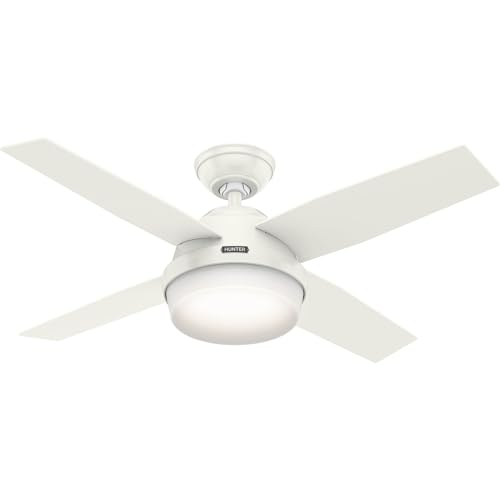


Ceiling fans are generally considered a good, low-cost addition to a baby nursery. They improve air circulation, help keep the room at a comfortable, even temperature, and add gentle background noise. Some research has associated better bedroom air circulation with a lower SIDS risk. The keys are secure mounting, gentle airflow, and sensible placement over the crib.
Why parents add a fan to a nursery
A ceiling fan does three useful things in a nursery: it keeps air moving so the room does not get stuffy, it evens out warm and cool spots, and it produces a steady, low hum that many babies find soothing. Air circulation is the point that gets the most attention, because some studies have linked good airflow in an infant's sleep space with a reduced risk of sudden infant death syndrome. A fan is only one small part of safe-sleep practice, but it is an easy, affordable one.
Airflow: gentle, not a gale
A nursery fan should stir the air, not blast the crib. A baby should never feel a strong, direct draft. Aim for:
- A low speed setting as the everyday default.
- Gentle, whole-room circulation rather than a jet of air aimed at the crib.
- Enough airflow to keep the room from feeling stuffy, and no more.
Room temperature matters more than wind chill
Fans cool people, not rooms - the moving air helps skin feel cooler, but it does not lower the actual room temperature. For a nursery, the goal is a comfortable, stable temperature so the baby is neither too warm nor chilled. Use the fan to keep air fresh and even, and use a room thermometer plus appropriate sleepwear (rather than heavy bedding) to manage warmth. Dress the baby for the room, and let the fan simply keep that air gently moving.
Placement over the crib
Position and clearance matter for both safety and comfort:
- Mount the fan so it is not directly, aggressively blowing down onto the crib. Off-center or general-room placement usually gives gentler circulation over the sleep area.
- Keep the fan well within the room's ceiling-height rules. Standard ceiling fans need adequate clearance below the blades, and a nursery should have plenty of headroom between blades and the crib, changing table, and anywhere you will stand holding the baby.
- Make sure nothing - a mobile, curtains, a shelf - can reach the blades.
Noise and sleep
The soft, consistent whir of a fan is a form of steady background sound that can help mask sudden household noises and soothe a baby to sleep. If your main goal is that sound, a quieter fan running on low is ideal. A fan that rattles, clicks, or wobbles is doing the opposite job, so a smooth, balanced fan is worth prioritizing for a sleep space.
Light kit and dimming
If the fan includes a light, a dimmable light kit is a real asset in a nursery. Soft, low light is enough for night feeds and diaper changes without fully waking the baby, and warmer color temperatures feel calmer at night than bright, cool-white light. If the fan light is not dimmable on its own, a compatible dimmer or a warm, low-output bulb can help.
Mounting and safety
A nursery fan has to be mounted to hold up for years directly above where a child sleeps and plays, so secure installation is non-negotiable:
- The fan must be hung from an electrical box rated for ceiling fans - a standard lighting box is not strong enough to carry a fan's weight and motion.
- The fan should be balanced and wobble-free. A wobble usually means loose hardware or an unbalanced blade, both of which should be corrected.
- All hardware should be checked as snug and secure after installation.
Electrical safety note
Installing or replacing a ceiling fan means working with household wiring and a fan-rated support box. Turn off power at the breaker - not just the wall switch - and confirm the wires are dead before you begin. For hardwiring, adding a new fan-rated box, running a new circuit, or anything you are unsure about, hire a licensed electrician. This article is general information and not a substitute for a licensed electrician.
Cleaning and dust
Babies are sensitive to dust, and fan blades collect it fast. Wipe the blades regularly so the fan is not scattering dust over the crib every time it runs. A quick wipe every week or two keeps the air cleaner and the fan running smoothly.
Putting it together
For most nurseries, a ceiling fan is a smart, budget-friendly addition: run it on low for gentle circulation and soothing sound, keep the room at a stable, comfortable temperature, mount it securely on a fan-rated box with generous clearance, and keep the blades clean. Treat it as one helpful piece of a safe-sleep setup rather than a cure-all, and it earns its place in the room.


