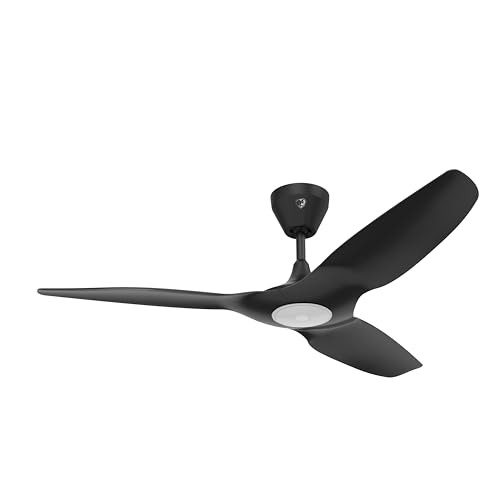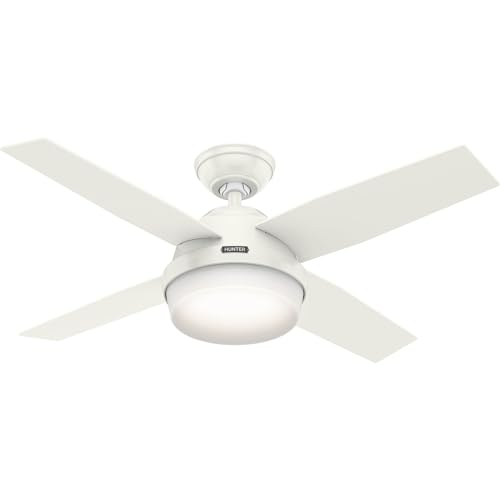

To install a fan-rated ceiling box for a heavy fan, turn off power at the breaker, remove the old box, and mount a UL-listed box marked "Acceptable for Fan Support" that is secured either to solid framing or with an approved fan-rated brace bar. A standard lighting box is not allowed to hold a ceiling fan.
Why a fan-rated box is required
Ceiling fans add both weight and constant vibration that ordinary lighting boxes are not built to handle. US electrical code (the NEC) requires outlet boxes used to support a ceiling fan to be listed and marked for that purpose. Standard boxes are typically limited to light fixtures around 50 pounds, and they are not rated for the twisting, wobbling load a spinning fan produces. A fan-rated box, by contrast, is tested to support fan weight and dynamic load, commonly up to 35 pounds by default and up to about 70 pounds when the box is specifically marked for heavier fans.
Always read the box label. It will state that it is acceptable for fan support and give a maximum weight.
Choosing the right box for a heavy fan
For a heavier fan, match the hardware to the situation:
- New-work box on solid framing - if you can screw directly into a joist or a blocking board, a fan-rated pancake or standard-depth box fastened to wood is the sturdiest option.
- Fan-rated brace bar (old-work) - for retrofits where you cannot open the ceiling, an expanding metal brace bar slides through the hole and locks against the joists. It carries a fan-rated box on a threaded stud.
- Check the weight rating - a fan noticeably heavier than average needs a box and brace explicitly marked for that higher weight, and sometimes direct attachment to framing rather than a brace bar.
Step-by-step overview
Safety first: turn off power at the breaker, not just the wall switch, and verify the wires are dead with a voltage tester before touching anything.
Common mistakes to avoid
- Reusing a plastic lighting box. Unless it is specifically fan-rated, it cannot legally or safely hold a fan.
- Trusting drywall. Screws into drywall alone will pull out. The load must reach framing or an approved brace.
- Skipping the label check. "Fan-rated" is not a look; it is a printed listing and a stated weight limit.
- Overloading a light-duty fan box with a heavier fan than its marked rating.
When to call an electrician
Installing the box is mechanical, but the connections around it are electrical. If the existing wiring is aluminum, damaged, or unclear; if there is no ground; or if you are adding a new circuit or switch leg, bring in a licensed electrician. Working overhead near live wiring is also physically awkward and easy to get wrong.
This article is general information, not a substitute for a licensed electrician or your local building code. Codes and inspection requirements vary by jurisdiction, so confirm local rules before you start.
Downrods and heavy fans
The box is the foundation, but on a heavy fan the mounting hardware above it matters too. Larger fans often hang from a downrod that threads into a ball-and-socket mount on the bracket. That whole assembly transfers the fan's weight and wobble into the box, so the bracket screws must seat into the box's rated mounting holes, not just clamp onto the rim. Follow the fan's instructions for the correct downrod length and torque, and never substitute longer or thinner screws than the ones supplied.
The takeaway
A heavy ceiling fan is only as safe as the box behind it. Use a UL-listed, fan-rated box marked for your fan's weight, secure it to real framing or an approved brace bar, and verify it does not move before you hang anything. Get the support right and the rest of the installation has a solid foundation, and never guess on weight ratings when a fan is on the heavier end of the range.