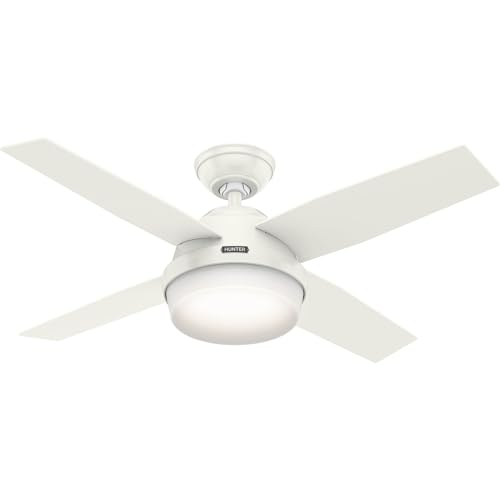
To protect an outdoor ceiling fan from salt air, choose a wet-rated, corrosion-resistant model, then keep up a simple routine: rinse and wipe the blades and housing regularly, apply a light protective coating to exposed metal, and run the fan often so moisture cannot settle. In a coastal setting, consistency beats any single miracle product.
Why salt air is so hard on fans
Salt air carries fine airborne salt that settles on every surface. Salt is hygroscopic, meaning it pulls moisture out of the air and holds a thin damp film against the metal. That film accelerates oxidation, so screws rust, finishes bubble, and aluminum can develop a chalky white corrosion. The closer you are to the surf, the faster it happens, and even a covered porch a few blocks inland gets a steady dose.
You cannot stop salt from arriving, but you can stop it from sitting undisturbed on the fan, which is where all the damage begins.
Start with the right fan
Prevention is cheaper than repair. For any coastal install, begin with a wet-rated fan built for marine or coastal use. Look for:
- Sealed motor housings.
- Stainless steel hardware rather than plated steel.
- All-weather ABS blades, which ignore salt entirely, over metal or wood.
- Powder-coated or specially finished housings rather than bare metal.
A simple maintenance routine
Rinse and wipe
Every few weeks, wipe the blades and housing with a soft, damp cloth using fresh water and a drop of mild dish soap. The goal is to lift the salt film before it can hold moisture against the finish. Dry the surfaces afterward rather than letting them air-dry, which just leaves minerals behind. Never blast a fan with a pressure washer, and only hose-rinse if the fan is wet rated and the power is off.Protect the metal
Once the fan is clean and dry, add a barrier to exposed metal:- A thin coat of automotive or marine paste wax on painted and metal surfaces gives salt something to sit on instead of the finish.
- A light spray of a corrosion-inhibiting product on hardware and brackets, kept well away from the motor vents and any electrical parts, slows rust on screws and joints.
Keep it moving
Running the fan regularly helps. Air movement dries the surfaces and discourages the standing damp film that salt creates. A fan that sits unused for a whole season in coastal air tends to corrode faster than one used year round.Dealing with rust that has already started
If you catch surface rust early, you can usually stop it:
Deep pitting, rust weeping from inside the motor, or corroded electrical connections are past a cosmetic fix. At that point, replacing the fan is safer and often cheaper than fighting it.
Seasonal and storm care
Before a big coastal storm, it is fine to leave a securely mounted wet-rated fan in place, but give it a rinse and wipe afterward since storms drive extra salt onto everything. If you close up a home seasonally, do a thorough clean and wax before you leave so the fan is not sitting in salt film for months. Some owners bag or remove blades on removable-blade models during long closures.
Safety notes
Outdoor fan maintenance is mostly cleaning, which is low risk, but anything involving the wiring, the mounting box, or the motor internals is electrical work. Turn off power at the breaker before you rinse, open, or unmount a fan, and verify it is dead with a tester. Keep sprays and moisture away from the motor's electrical components. For a wobbling mount, a corroded box, or any electrical concern, hire a licensed electrician. This article is general guidance, not a substitute for one.
The bottom line
Salt air never quits, so your defense is a good wet-rated fan plus small, regular habits: rinse off the salt, dry the surfaces, wax the metal, and keep the fan spinning. Owners who do this get many good years out of a coastal fan; owners who install and forget usually watch it rust within a couple of seasons. Build the routine into the same weekend you already spend cleaning the patio and it becomes effortless.