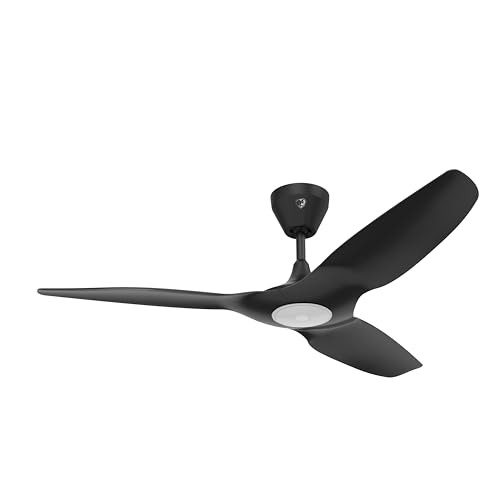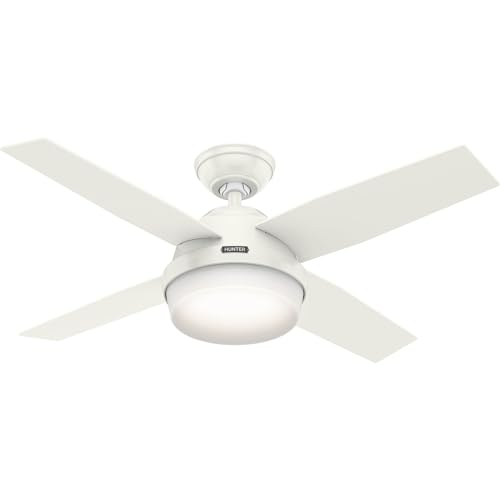

A ceiling fan needs at least 18 inches of space between the blade tips and the nearest wall - 24 to 30 inches is better - should hang no less than 7 feet above the floor, and should leave 8 to 12 inches between the blades and the ceiling. Where possible, center it over the main living area of the room.
The four clearances that matter
Ceiling fan placement comes down to four measurements: distance from the walls, height above the floor, gap below the ceiling, and spacing from other fans or fixtures. Each one exists for a reason - some for safety, some for airflow. Hitting all four keeps the fan efficient and safe, and it keeps the blades from ever contacting a wall, a door, cabinetry, or a person.
Distance from walls and obstructions
Keep a minimum of 18 inches from the blade tips to any wall. This is the widely referenced minimum, and many manufacturers echo it. More is better: 24 to 30 inches lets air circulate freely around the blades instead of stalling against the wall, which noticeably improves the breeze you actually feel.
The same clearance applies to anything the blades could reach - tall wardrobes, upper cabinets, a loft railing, sloped ceiling surfaces, open doors, and window treatments. When you measure, measure to the blade tips at full sweep, not to the motor housing.
Height above the floor
The lowest point of the blades should be at least 7 feet above the floor. This is the key safety clearance; it keeps the blades above the reach of most people, including tall adults with arms partly raised. Eight to nine feet is the ideal for comfort and airflow, which is why downrods exist - they lower the fan on high ceilings back into that range. On an 8-foot ceiling, a flush-mount fan keeps you above the 7-foot minimum while staying out of head space.
Gap below the ceiling
Leave roughly 8 to 12 inches between the blades and the ceiling. The fan pulls air up from below and pushes it out and down around the room; if the blades sit too close to the ceiling, that intake is choked and the fan moves far less air. This is exactly why flush-mount fans, which sit tight to the ceiling, are a little less efficient than the same fan on a downrod. If you have the ceiling height, a downrod that opens up this gap will always circulate better.
Where to place the fan in the room
Center the fan in the space you actually use. In most rooms that is the geometric center of the ceiling; over a bed or a seating area, center it over that zone instead. A fan pushes air in a roughly circular footprint about the diameter of its blade span, so aim that footprint where people sit or sleep. Avoid mounting directly above where a door swings, or where the airflow blows straight onto a thermostat, which can throw off temperature readings.
Sizing the room to the fan
Wall clearance also drives blade span. As a rough guide:
- Rooms up to about 75 sq ft: 29 to 36-inch span
- 75 to 175 sq ft: 42 to 48-inch span
- 175 to 350 sq ft: 52 to 56-inch span
- Larger rooms: 60-inch-plus, or two fans
More than one fan in a room
Long or open-plan rooms often need two fans. Space them so each one is centered over its own zone, keep the 18-inch wall clearance for both, and leave enough distance between them that their airflow footprints do not fight each other - typically at least the length of one blade span between fan centers.
Outdoor and covered areas
On a porch or patio, the same clearances apply, plus a rating requirement: use a damp-rated fan for covered areas protected from direct rain, and a wet-rated fan for spots exposed to rain or splashing. The wall clearance still matters on a porch, where posts and railings often crowd the space, so measure to the blade tips before you settle on a size.
Safety note
If mounting a fan means moving the electrical box, adding a circuit, or hardwiring, treat it as electrical work. Turn the power off at the breaker before you begin, and make sure the box is a listed fan-rated box that supports the fan's weight and motion. When new wiring or a new circuit is involved, or if anything is unclear, hire a licensed electrician. This page is general guidance, not a replacement for a licensed pro or your fan's manual.