


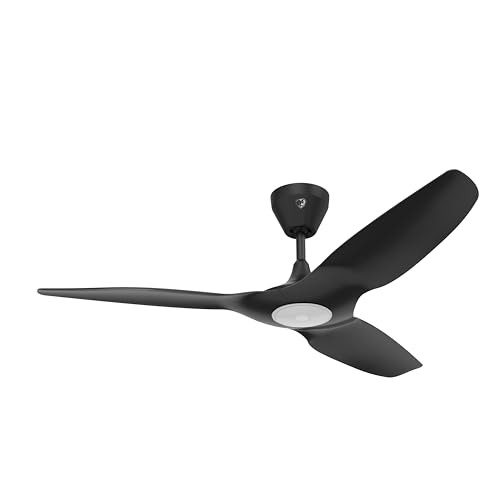


Integrated LED fan lights have the diodes built permanently into the fixture for a slim, modern look and very long life, but you cannot swap a burned-out bulb. Replaceable-bulb kits use standard sockets, so you can change bulbs anytime and pick your own color and brightness. Each approach wins in different situations.
What "integrated LED" actually means
An integrated LED light kit has its LED array soldered onto a board inside the fixture. There is no socket and no removable bulb. You get a low-profile lens or panel, often just an inch or two thick, and the diodes are engineered to match the housing's heat sink. Manufacturers rate these arrays for tens of thousands of hours, so for many rooms the light may outlast the time you own the fan.
The catch is repairability. When an integrated array eventually fails, or its driver dies, you replace the whole light module or, in some designs, the whole fan. Some brands sell replacement LED modules; many do not.
What a replaceable-bulb kit gives you
A replaceable-bulb kit has one or more standard sockets, usually a medium (E26) or candelabra (E12) base. You install whatever compatible bulb you like and change it when it burns out with an inexpensive trip to the store. That freedom is the whole point: you control brightness, color temperature, and bulb technology, and a failure is a five-minute fix instead of a fixture swap.
The trade-off is bulk and looks. Sockets and glass shades add height and a more traditional appearance, and cheaper bulbs vary in quality.
The real trade-offs
Lifespan and repair
Integrated arrays last a very long time but are hard or impossible to repair when they fail. Replaceable bulbs fail more often per bulb, but they are cheap and fast to swap. If you hate the idea of ever tossing a working fan because of a dead light, replaceable is the safer bet.Light quality and color
With replaceable bulbs you can dial in exactly the color temperature you want, from warm 2700K to neutral 3500K or cool 5000K, and chase a high-CRI (90+) bulb for better color rendering. Integrated kits lock you into whatever the manufacturer chose, though many newer ones offer a wall-selectable or remote color-temperature switch that mimics this flexibility.Brightness and dimming
Integrated LEDs usually publish a fixed lumen figure and are engineered to dim smoothly with the fan's own remote or a compatible dimmer. Replaceable kits are only as good as the bulbs you buy; match a dimmable LED bulb to a compatible dimmer, or you will get flicker and buzz.Style and profile
Integrated wins here for most modern rooms. The flat, frosted lens sits close to the motor and suits low ceilings and minimalist decor. Replaceable-bulb kits with glass shades read more traditional and hang lower, which can matter under an already low ceiling.Cost over time
Integrated fans often cost a little more up front and carry a small long-term risk if the module dies out of warranty. Replaceable-bulb fans cost less up front, and you pay small amounts over the years for bulbs. Neither is dramatically cheaper across a decade for a typical household.Which should you choose?
Choose an integrated LED if you want the cleanest look, a low-profile fixture for a lower ceiling, top efficiency, and you are comfortable that the light's lifespan is tied to the fixture. Look for models that offer selectable color temperature and a published lumen and CRI figure, and check whether the brand sells a replacement module.
Choose a replaceable-bulb kit if you value repairability, want to fine-tune color and brightness yourself, or you are retrofitting a fan you already own. It is also the friendlier option in rentals and in rooms where you like to change the mood with different bulbs.
A note on warranties and wiring
Whichever you pick, the electrical connection is the same simple job of matching the light lead to the fan's blue wire, white to white, and ground to ground. If you are wiring rather than just changing a bulb, turn off power at the breaker first and verify the wires are dead with a tester. For any new circuit, a fan-rated box question, or anything you are unsure about, hire a licensed electrician; this is general guidance, not a substitute for one.
For an integrated fan, read the warranty on the LED module specifically, not just the motor, and keep your receipt. For a replaceable kit, stick to the listed maximum wattage and bulb type so you do not overheat the fitter. Both decisions are easier once you have matched the light to the room and the ceiling rather than to the spec sheet alone.


