

Installing a Ceiling Fan Step by Step
A ceiling fan installation breaks down into a support step and a wiring step, and both matter equally.
1. Kill the power
Switch off the breaker feeding the circuit, not just the wall switch, and confirm the box is dead with a non-contact voltage tester before touching any wires. The wall switch only interrupts the load side; the incoming line can still be hot.
2. Confirm or install a fan-rated box
Check the existing electrical box for a fan-rated stamp (it will state a maximum supported fan weight, commonly 35 or 70 pounds). Standard light-fixture boxes are usually rated for only about 50 pounds of static weight and are not built for a spinning load's vibration. If the box isn't fan-rated, install a retrofit bar-hanger box from below or a brace-and-box kit from the attic before proceeding — this step is required by the National Electrical Code and is not optional for safety.
3. Mount the bracket
Attach the fan's mounting bracket to the box using the screws provided, matching them to the box's threaded mounting ears.
4. Wire it up
Identify the circuit wires — typically black (hot), white (neutral), and bare or green (ground), plus a second hot (often blue) if the fan has an independently switched light kit. Connect ground to ground and the bracket's grounding screw first, then neutral to neutral, then hot to hot with wire nuts. Tuck the connections neatly into the box so nothing gets pinched.
5. Hang and finish
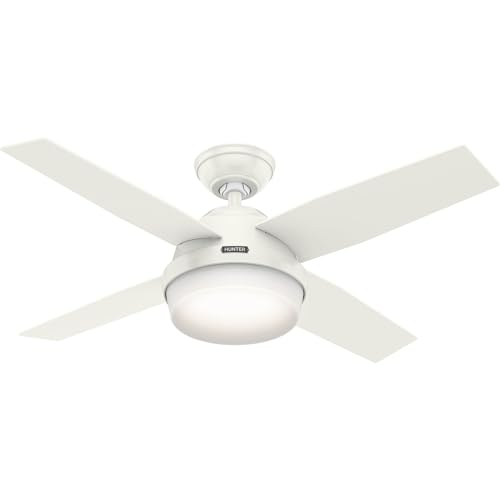
Most fans use a hook-and-hang design: the motor housing hangs from the bracket by a ball hook so your hands are free to finish the wiring connections before final mounting. Attach the blades, install the light kit if included, and connect any remote or wall-control receiver per the manufacturer's instructions.
6. Restore power and test
Turn the breaker back on, test the fan on all speeds and the light on all settings, and check for wobble once the blades are attached — see balancing tips in the fan-sizing and troubleshooting guides if you notice vibration.
Know your limits
If there's no existing box, if you need a new circuit or switch leg run through walls, or if the wiring looks unfamiliar (aluminum conductors, cloth-insulated knob-and-tube), stop and call a licensed electrician. Many jurisdictions also require a permit for anything beyond a simple like-for-like swap — check with your local building department first.